Crop production
Market-gardening plots
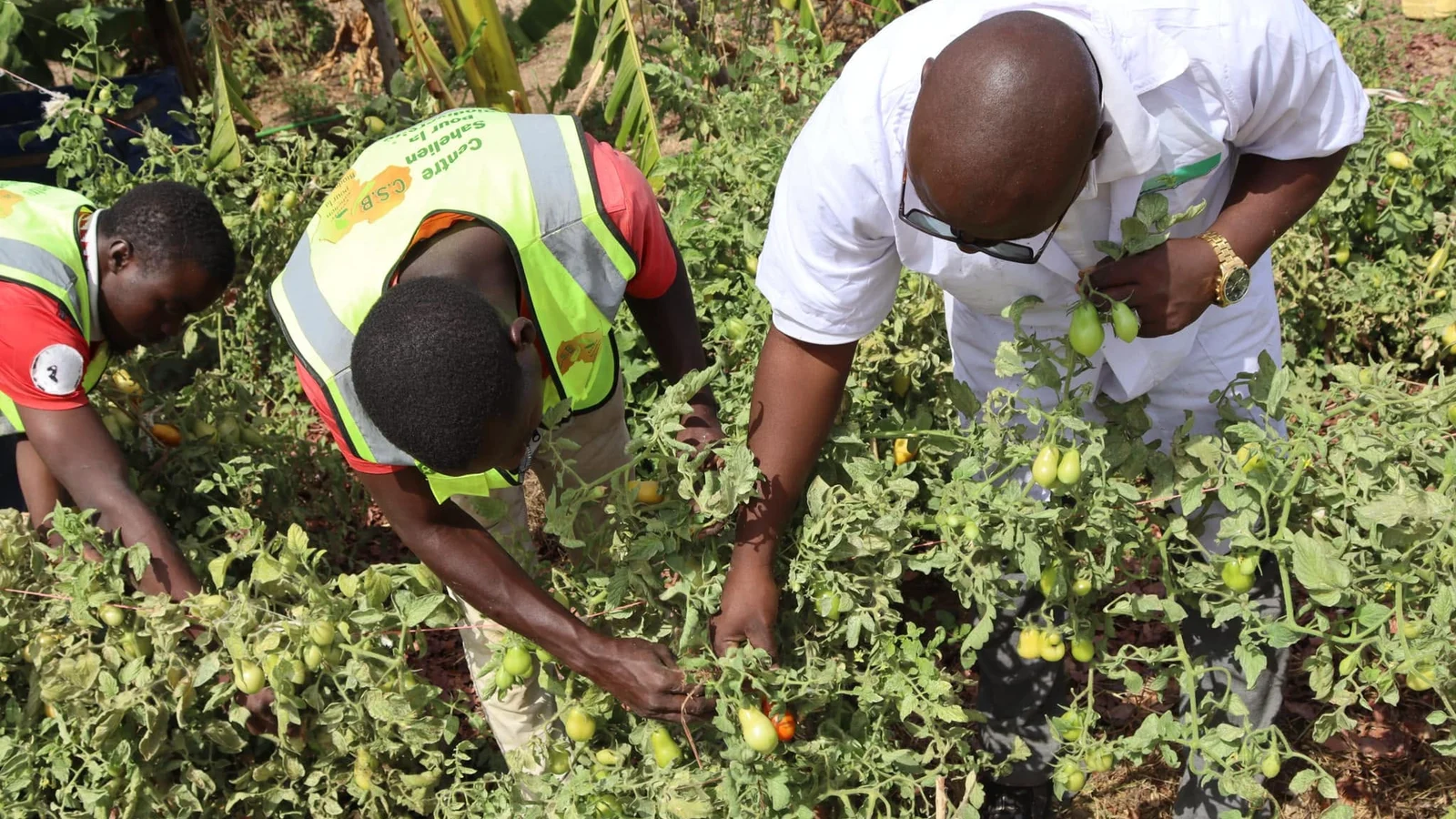
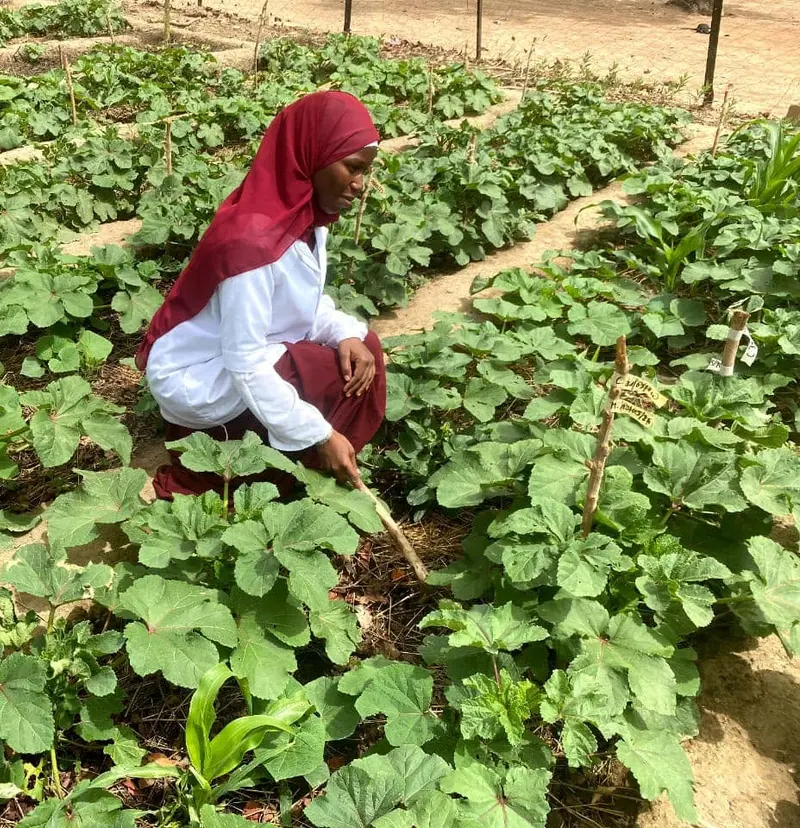
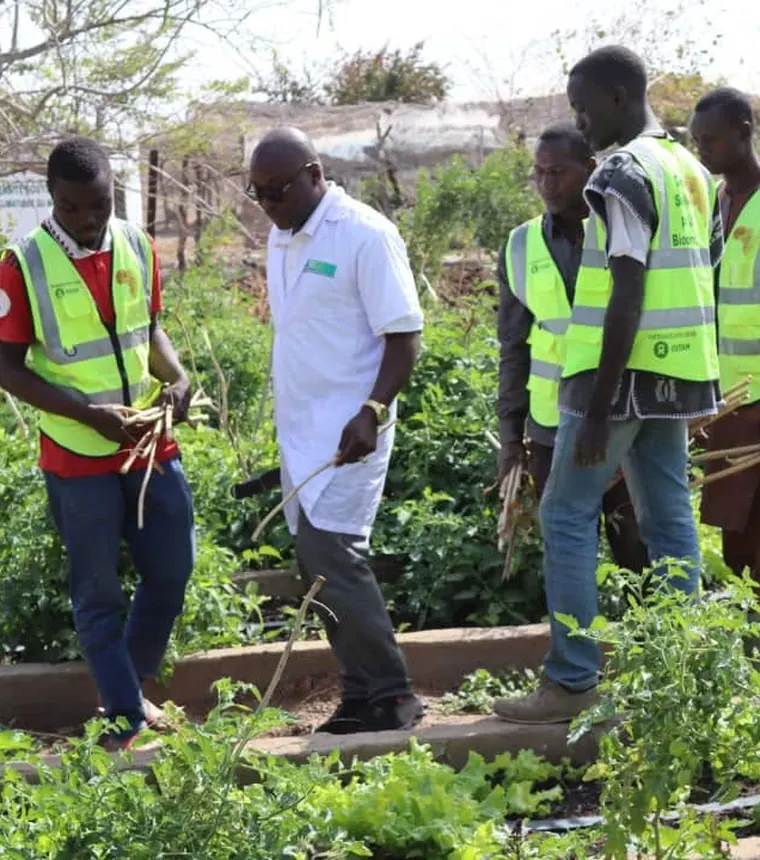
Vegetable crops and nurseries of young plants grown from traditional vegetable seeds.
- Nurseries and seedlings
- Pest prevention
Why we exist
Based in Ségou, Mali, the Centre Sahélien pour la Biodiversité combines vocational training, experimentation, peasant seed production and agricultural entrepreneurship.
Training that starts from the realities of the field and the knowledge of communities.
Its mission is to promote agricultural diversification and professional integration, particularly among young people, women and producers.
Train pass on practical skills.
Experiment developing solutions suited to the Sahel.
Produce make the most of local resources and knowledge.
Support supporting autonomy and professional integration.
Our method
Four principles guide the training. Pick one.
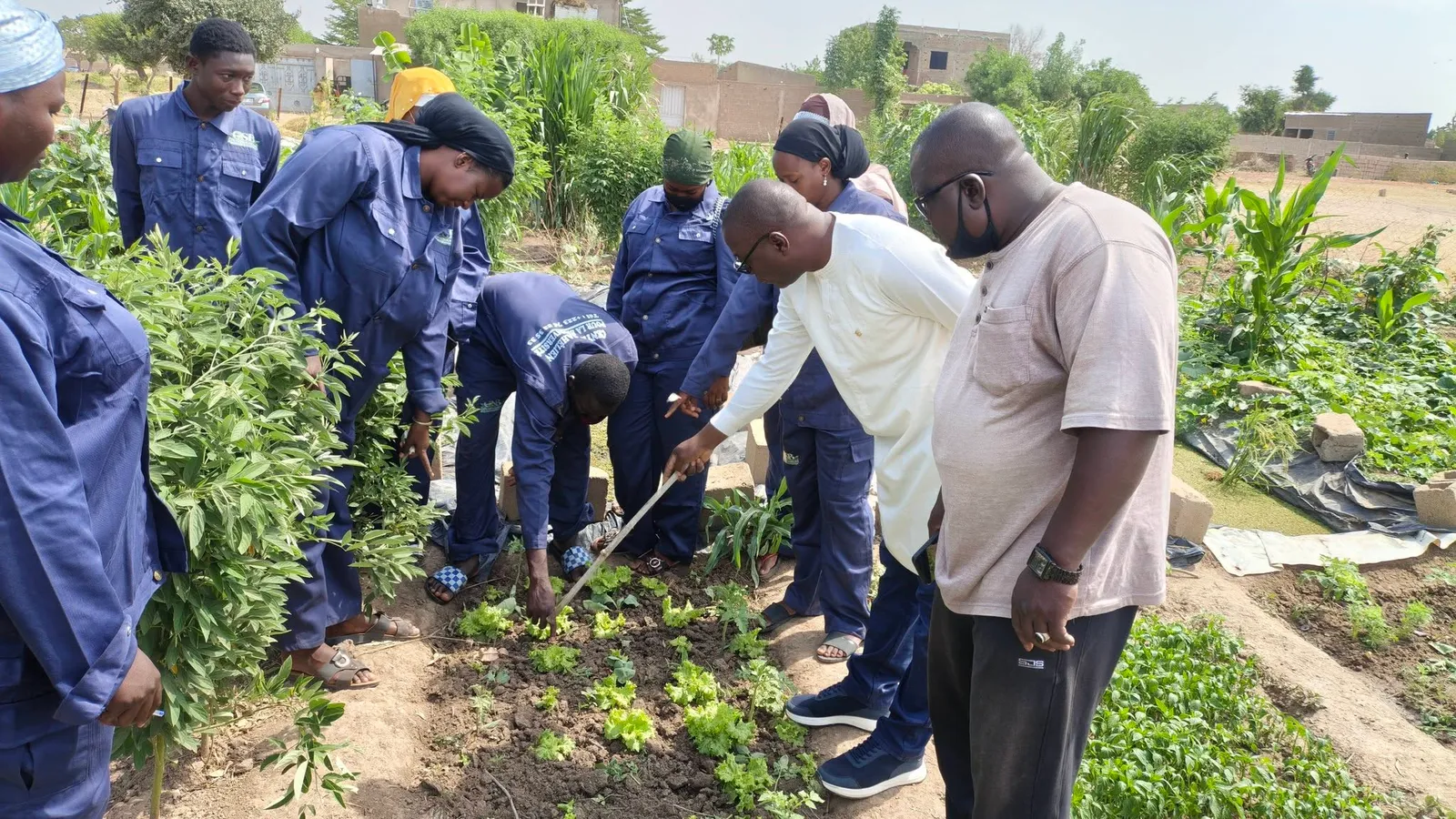
Courses take place on working plots, ponds, livestock and production units.
In November 2026, Office du Niger officers worked on plot diagnosis, soils and pest prevention.
Theory supports these hands-on exercises; it does not replace them.
Observe farming practices
Handle tools and resources
Try out the techniques
Link knowledge to real situations
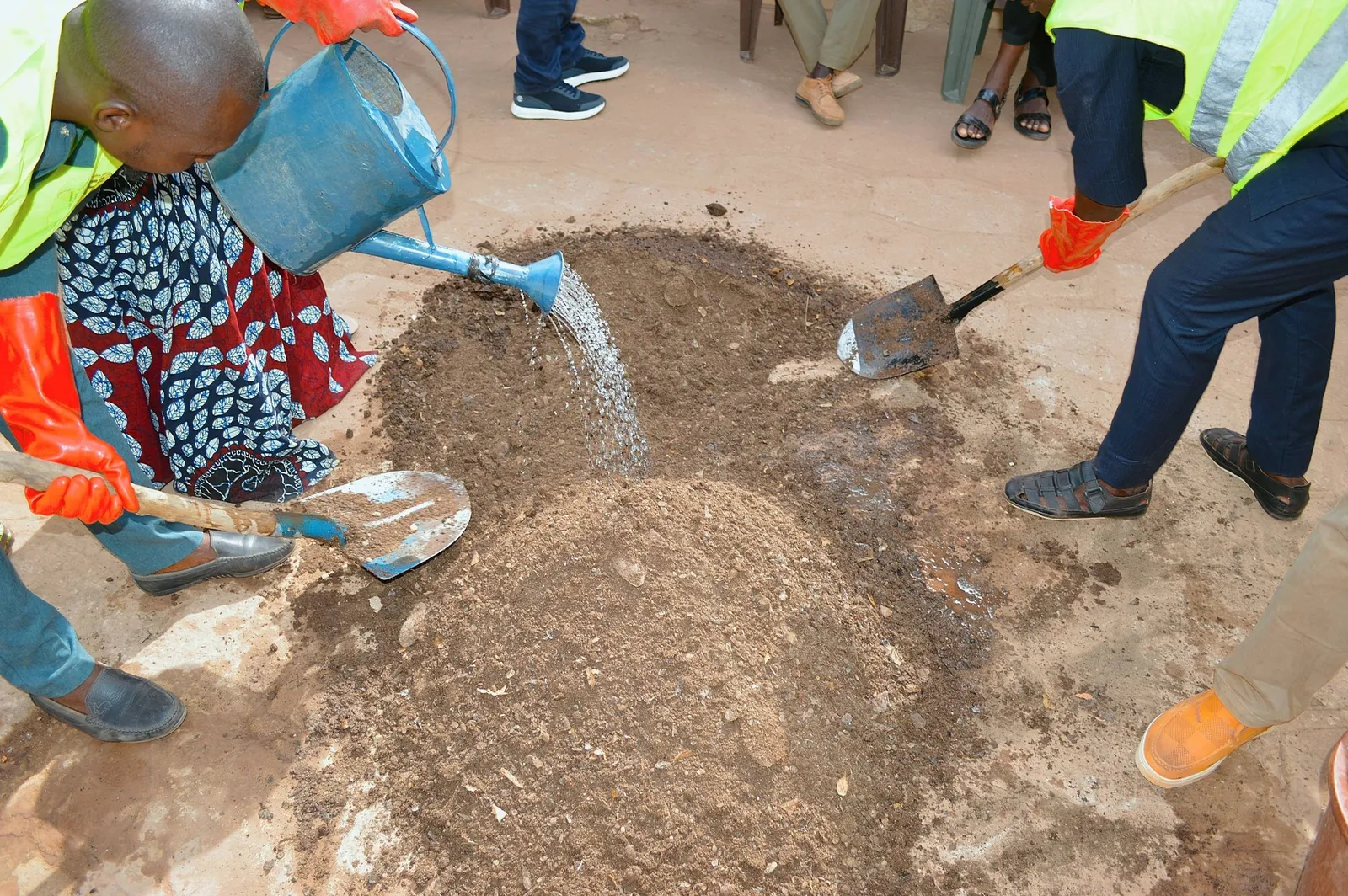
Organic waste, biomass and peasant seeds become inputs, energy or food.
Composts are prepared, FassoFertil, a liquid bio-input, is made, and peasant vegetable seeds are kept.
These preparations are shown to participants and visitors on the centre’s facilities.
Making use of crop residues
Preparing composts and bio-inputs
Using peasant seeds
Adapting practices to Sahelian conditions
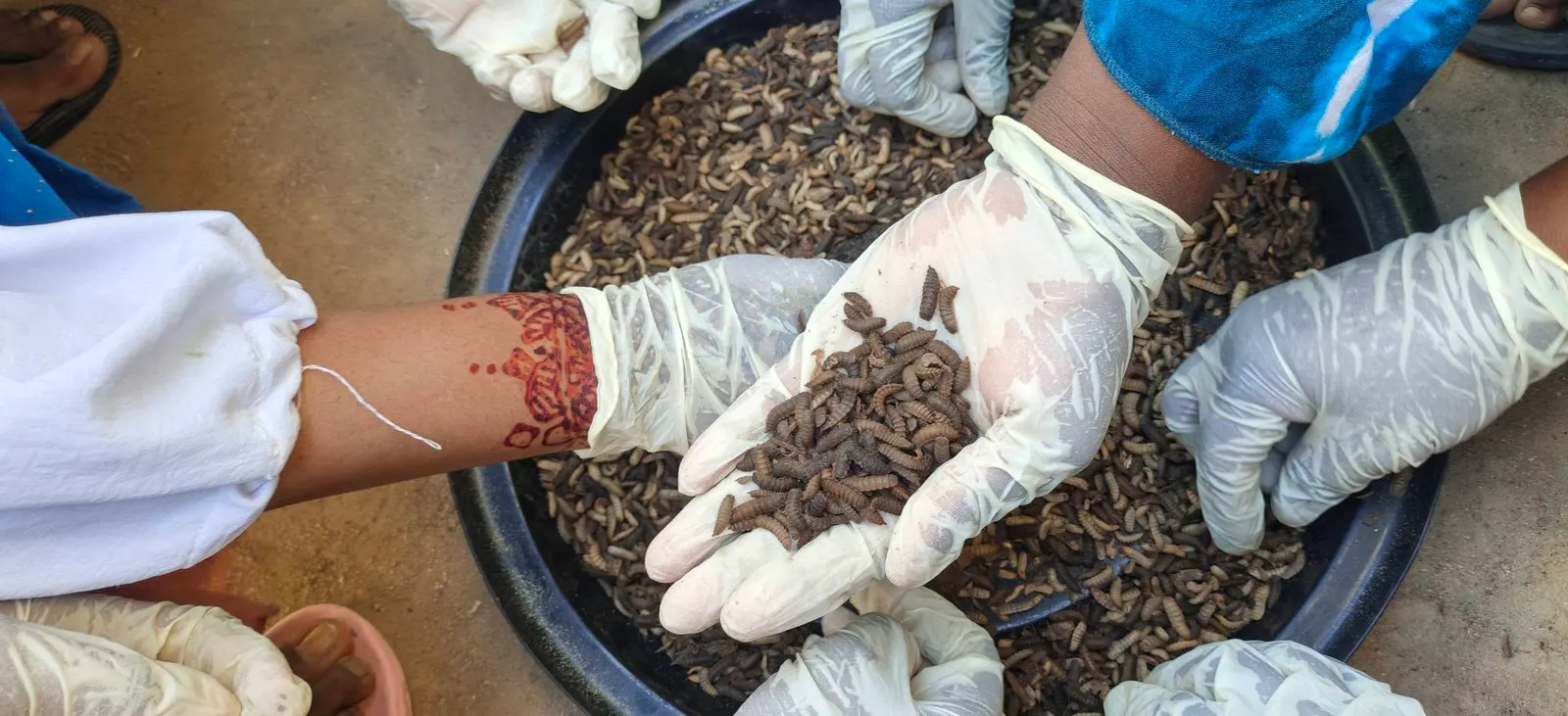
Black soldier fly, effective microorganisms, biogas: practices put into use and tested at the centre.
Black soldier fly larvae in August and October 2026, biomass and biogas in November: participants see the techniques at work before reproducing them.
The centre also makes biofertilisers based on effective microorganisms, which serve both for experimentation and for training.
Producing effective microorganisms
Experiments with bio-inputs
Black soldier fly larvae production
Making use of biomass and producing biogas
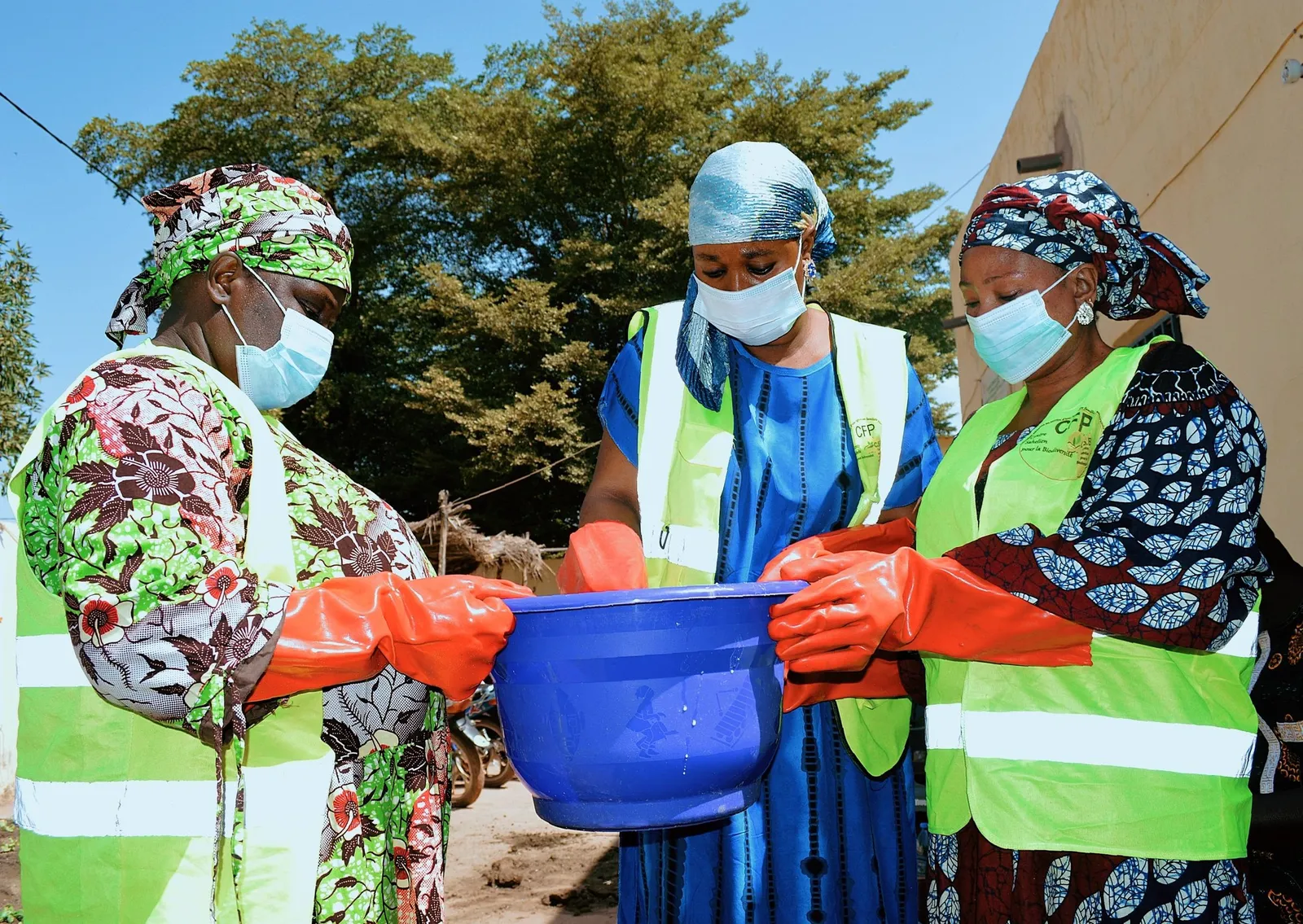
Young people, women, farmers and interns leave with practical skills and, depending on the session, a certificate.
In 2025, women from Barouéli were trained in liquid fertilisers; in 2026, a call for applications is open to young people in Ségou, with the Mali SANYA programme.
Interns take part in production planning and decisions, in connection with their studies.
Access to technical knowledge
Sharing experience
Taking part in production activities
Independence and local entrepreneurship
Our history
Milestones documented by the centre’s own publications.
2021
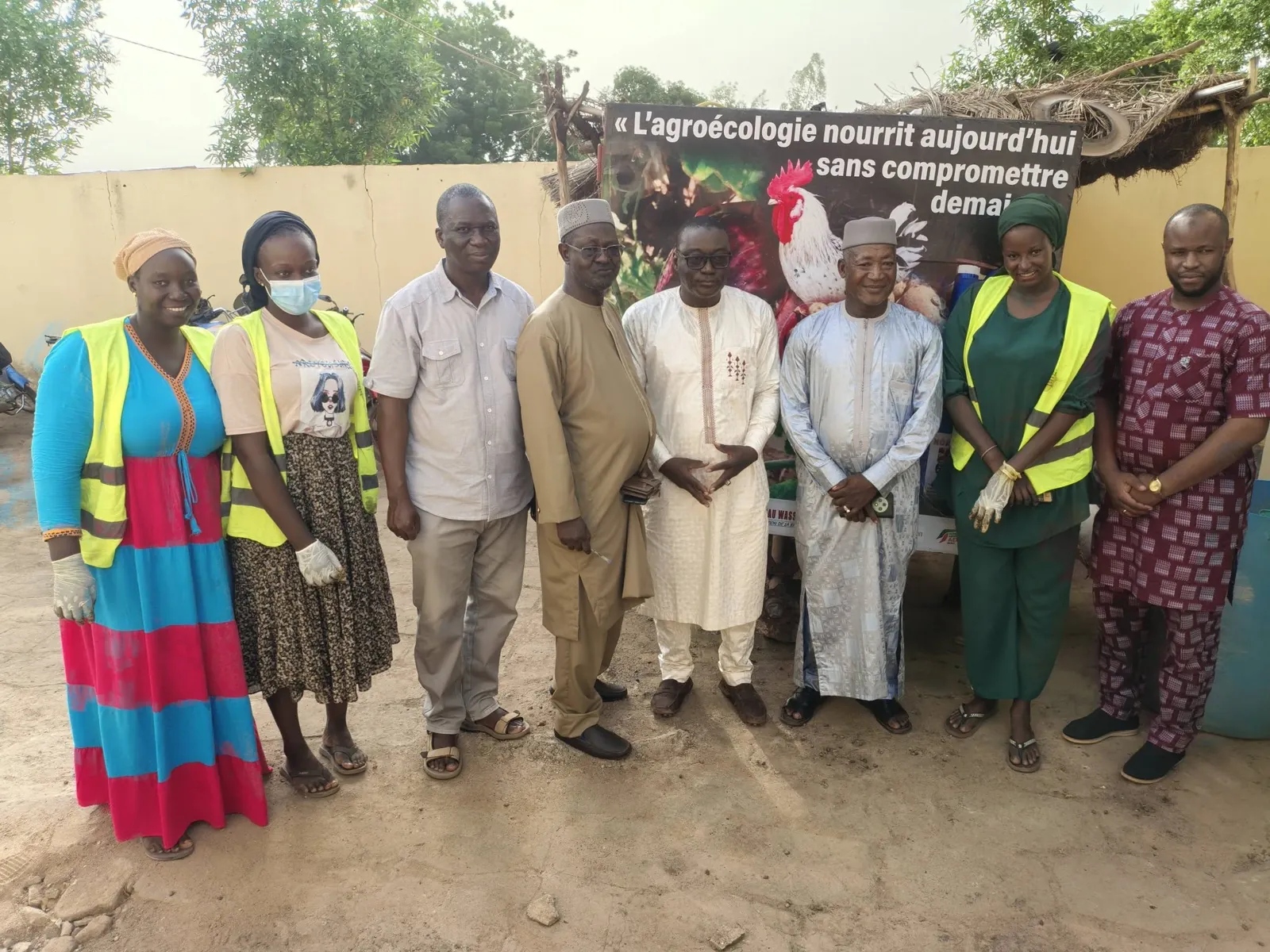
On 13 October 2021, the Centre Sahélien pour la Biodiversité is founded in Ségou, to teach peasant agroecology through hands-on practice.
Today, the centre still serves mainly young people far from conventional schooling, women and producers.
Founded in Ségou on 13 October 2021
Founder: Abdramane Zakaria TRAORE, agroecologist
Founding authorisation: decision no. 0856/GRS-CAB
Missions: training, agricultural diversification, integration
2022
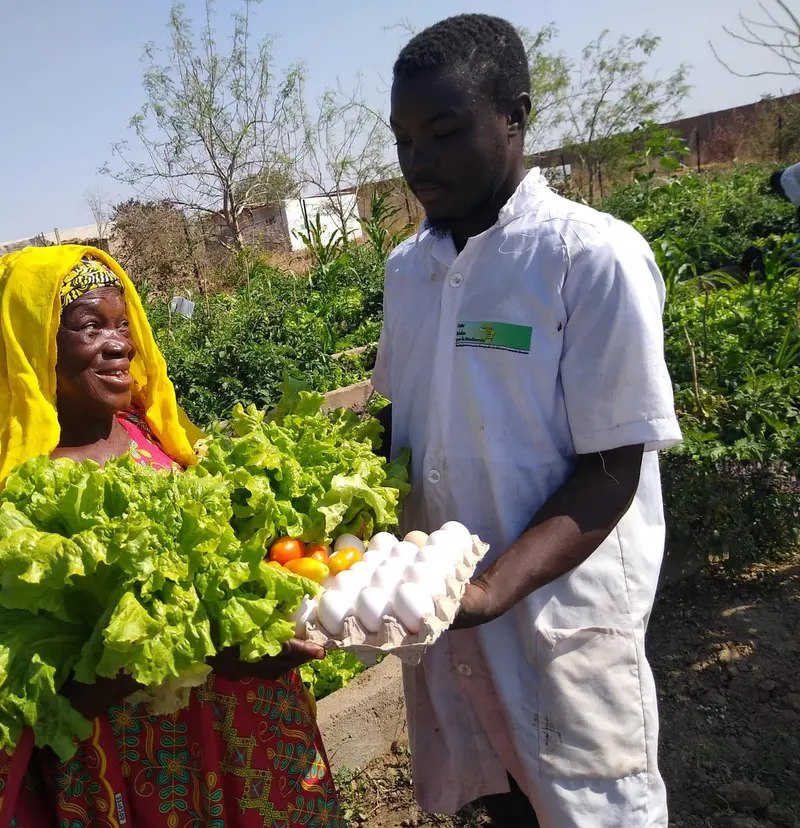
The first documented courses focus on poultry and local resources.
The centre runs hands-on sessions on poultry nutrition and health, a topic found today in its poultry farming course.
Hands-on sessions on poultry nutrition
Hands-on sessions on poultry health
Live broadcast of the CROISADE meeting
Theme of the meeting: local resources
2023
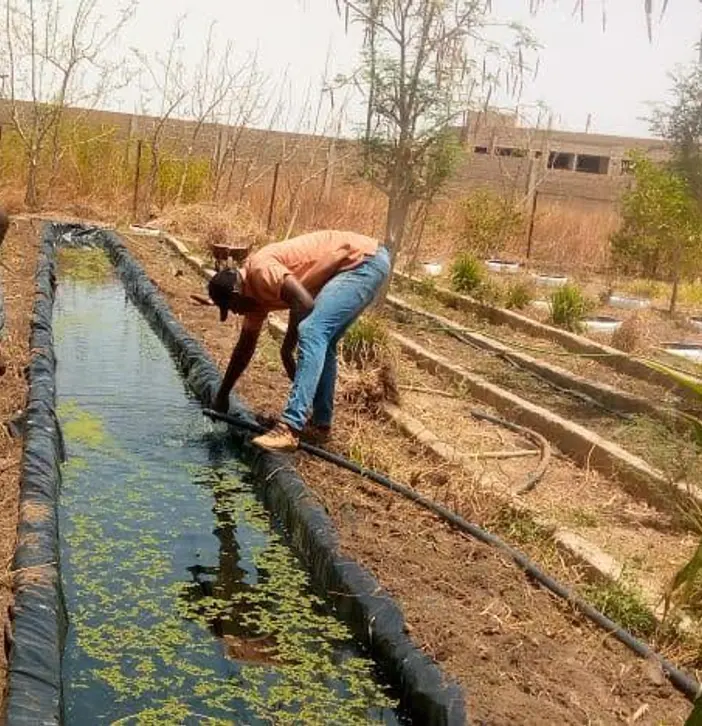
In 2023, one of the centre’s training courses focuses on pond fertility and fish feeding. This learning combines technical knowledge with practical work in the ponds.
Today, the main site in Zoumaira has fish ponds.
Pond fertility
Fish feeding
Practical work in the ponds
2024
The centre widens its training offer and opens moments of exchange with other actors.
It offers a rabbit farming course in July, then, according to its publications, a course on solar irrigation and entrepreneurship in November.
July: rabbit farming course
November: solar irrigation and entrepreneurship
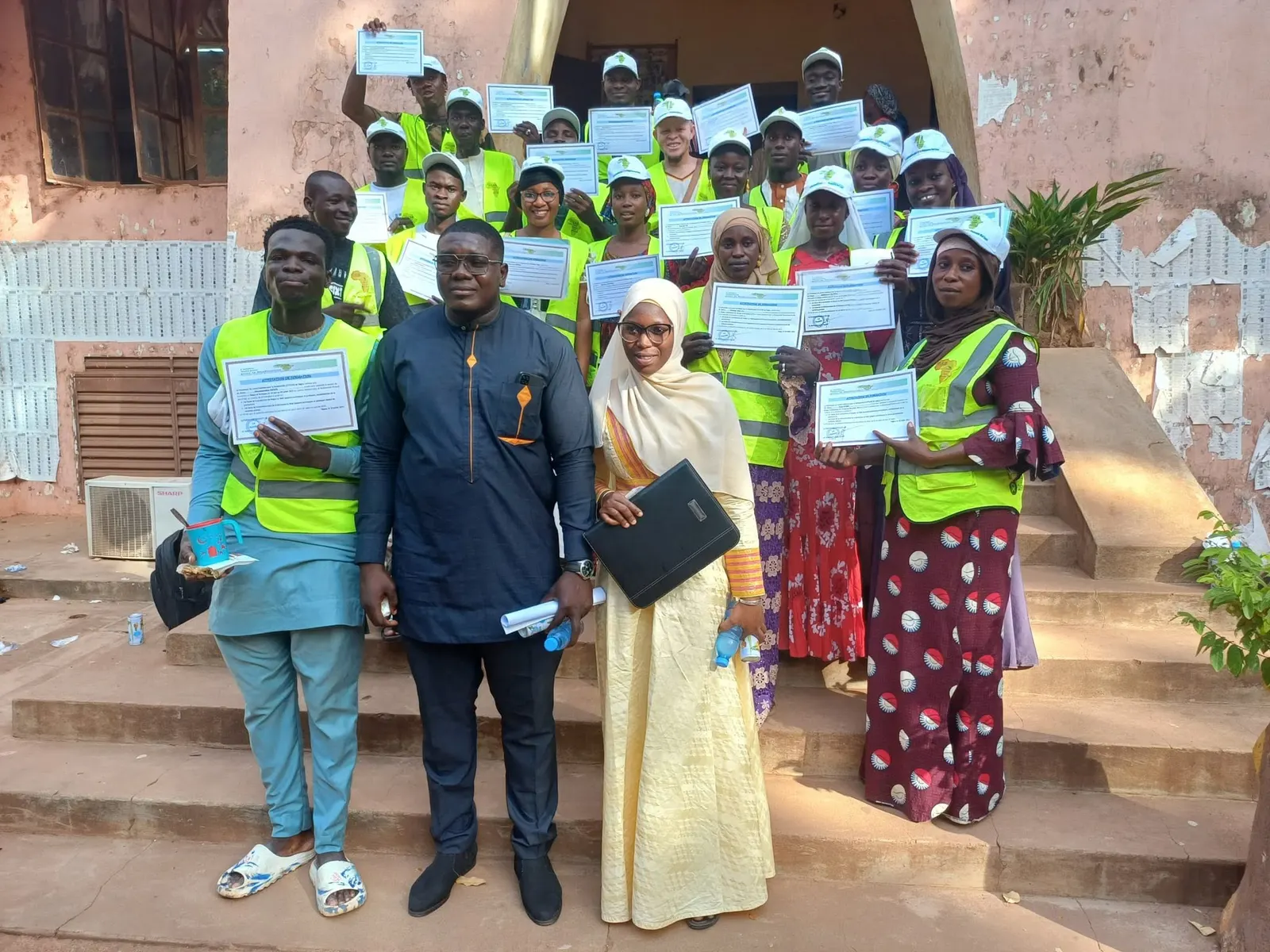
Certificates handed to young people trained in agroecology, and an educational school visit
Launch of the CROISADE forum in Pelengana
2025
After poultry, fish and rabbits, energy and bio-inputs enter the centre’s training courses.
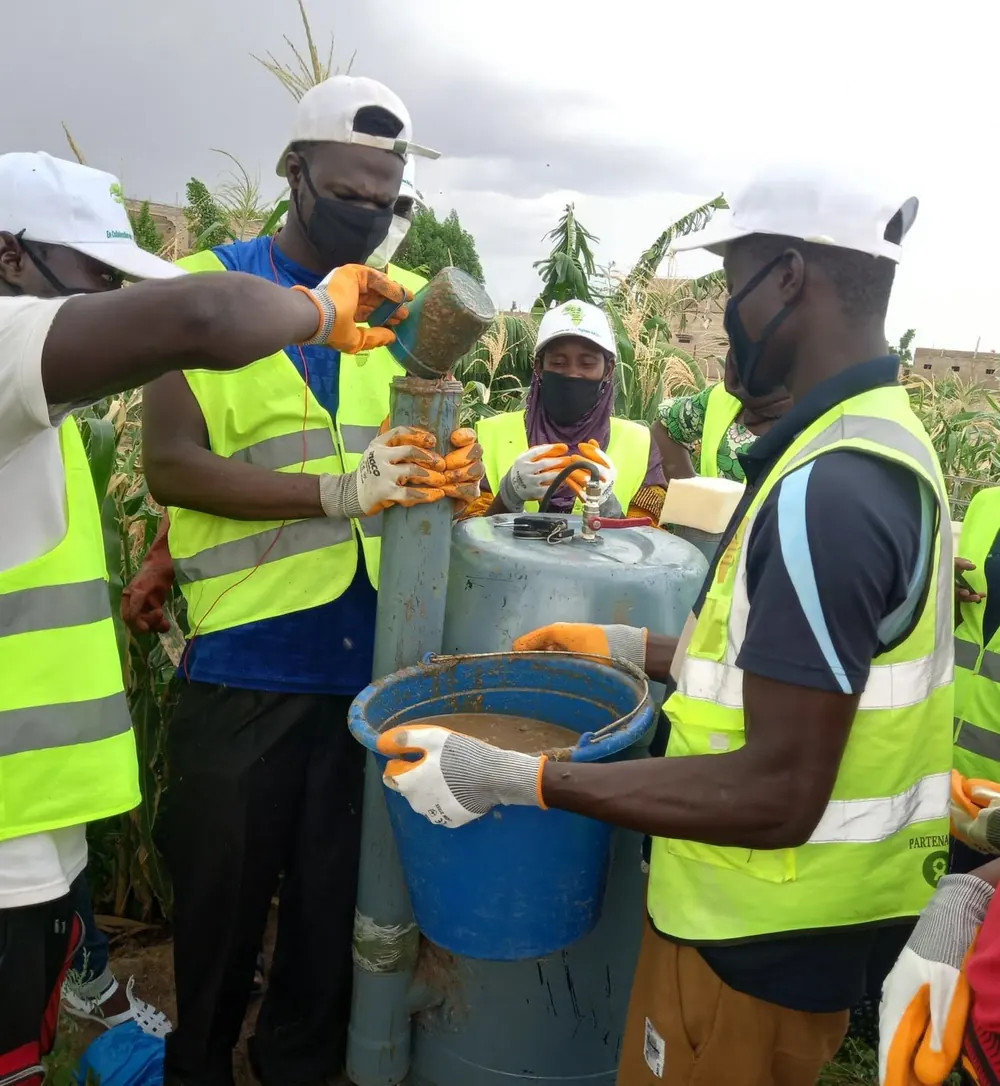
The centre runs a three-week bioenergy course (biogas, biomass, eco-friendly charcoal), in connection with GIZ.
Bioenergy: biogas, biomass and eco-friendly charcoal, with GIZ
Three-week course
Mushroom production
Liquid fertilisers, with women from Barouéli
2026
Black soldier fly larvae, energy and partnerships.
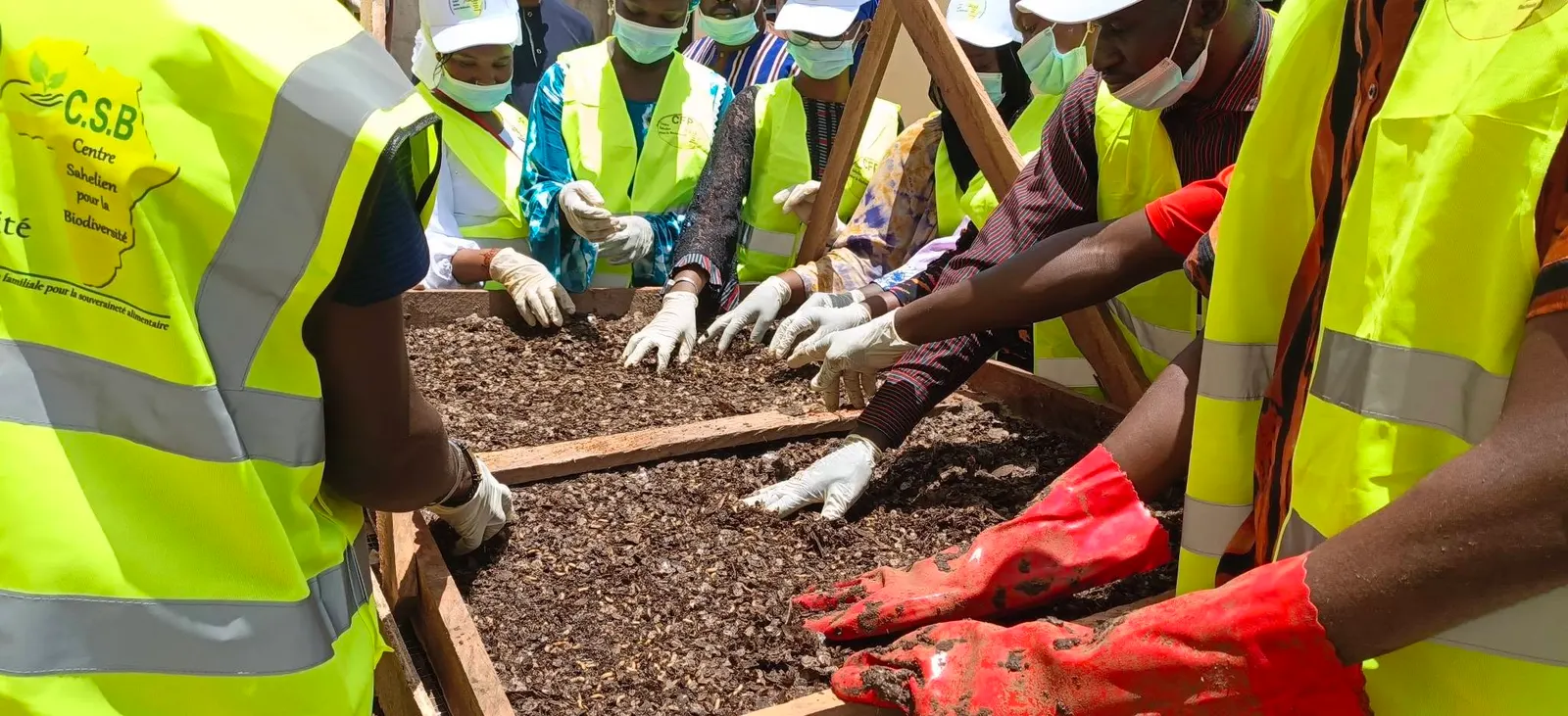
Two larvae production sessions, a call for applications with the Mali SANYA programme, and the National Peasant Agroecology Week. In November, the centre runs the trainers’ training, a market gardening course for Office du Niger agents, then five days of practical training on biomass and biogas.
CROISADE forum, 4th edition, 10 to 12 February
Eco-Leaders camp, 7 to 12 October
Second larvae session, 25 to 30 October
Biomass and biogas, 9 to 13 November
Organisation and sites
Under the promoter’s authority, three departments run the centre.
1 ha
Rural municipality of Massala, Ségou district
The main site brings together the experimental plots, the livestock and the ponds.
Main areas
Experimental field
Tree-growing area
Cattle fattening pen
Poultry houses
Fish ponds
Rabbit cages
Storage room
0.20 ha
Pelengana-Nord, Ségou
The annex site hosts the head office, 700 metres from the town hall, opposite the TIEMABA BOUARE public school.
Main areas
Accounting secretariat
Seed storage area
Training room
The exact location of each session or visit is confirmed by the team.
Our facilities
Each facility is used both for production and for training.
Crop production
Vegetable crops and nurseries of young plants grown from traditional vegetable seeds.
Fish Farming
Fish ponds on the main site in Zoumaira, used for fish farming training.
Innovation
Egg-laying structures, egg harvesting and larvae production to feed poultry and fish.
Soil fertility
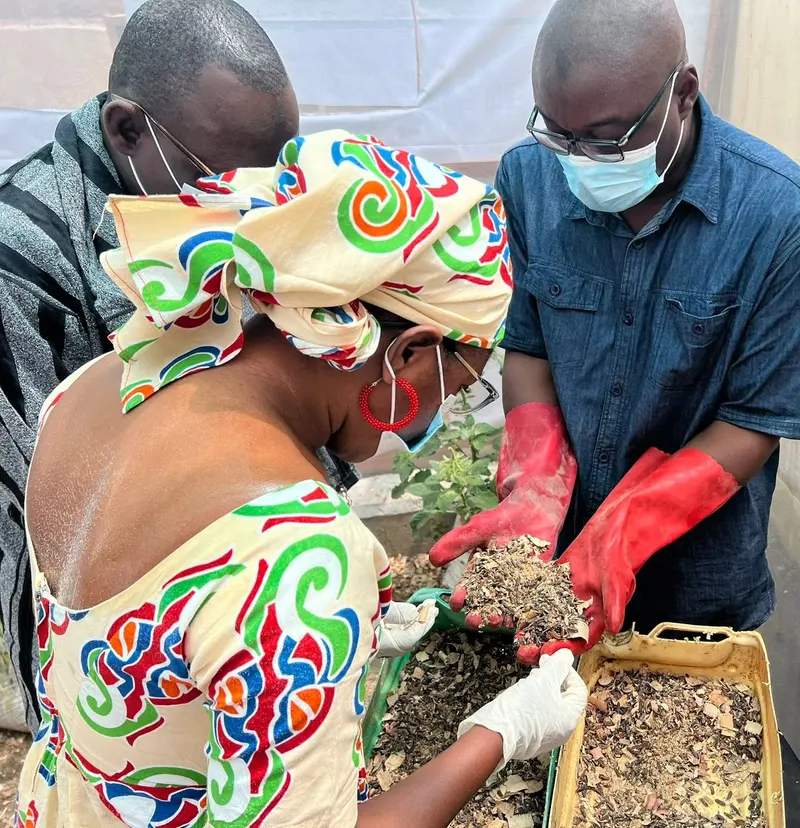
Effective-microorganism biofertilisers, including FassoFertil, shown during visits.
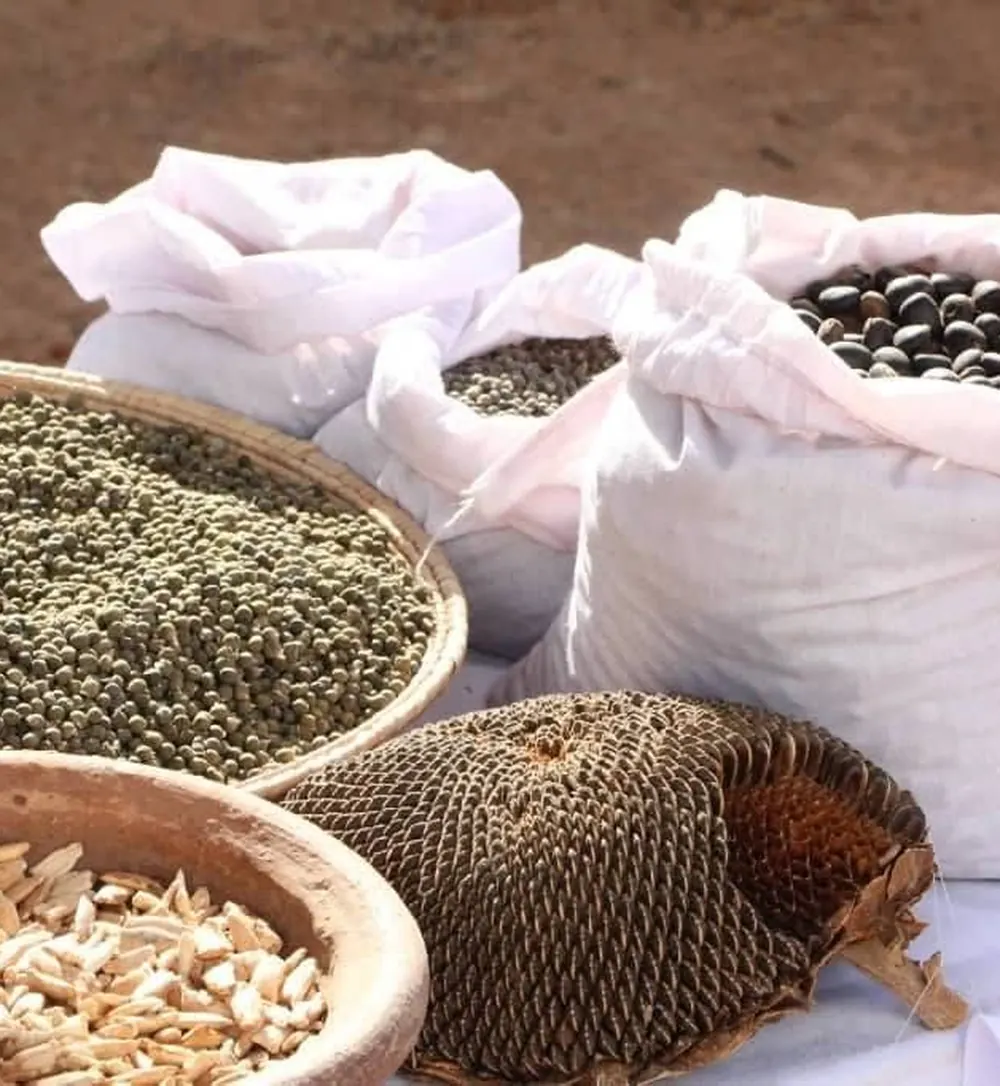
Seeds
Conserving and sharing peasant vegetable seeds.
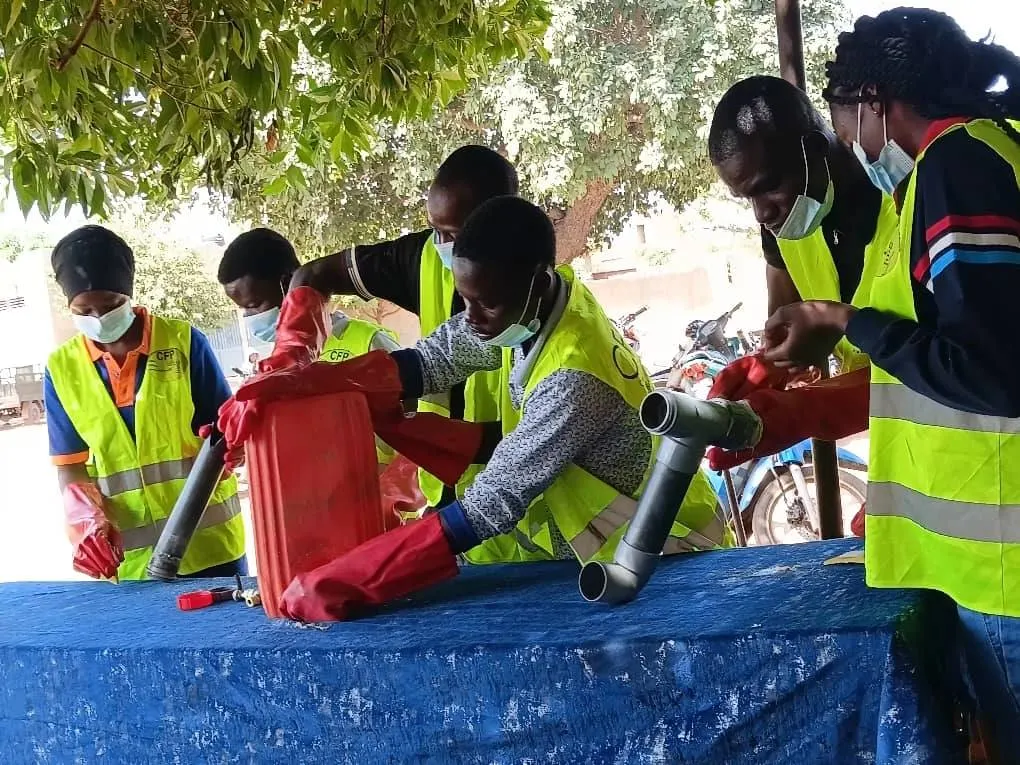 Demonstration during the November 2026 training
Energy
Used for the bioenergy courses: biogas, biomass and eco-friendly charcoal.
Our fields
Upcoming sessions are to be confirmed with the centre.
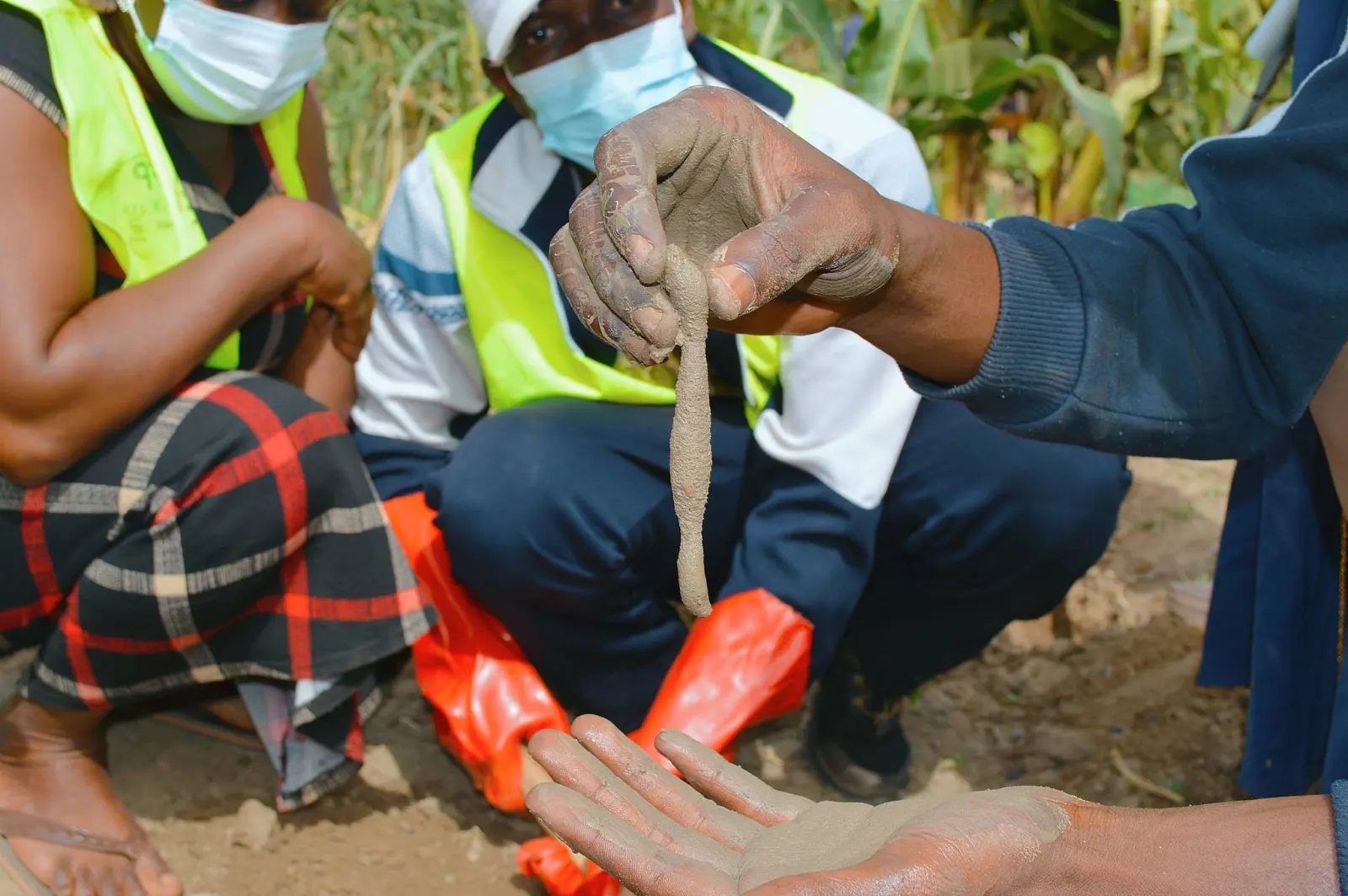
Farming differently, while protecting soil fertility and the diversity of farm resources.
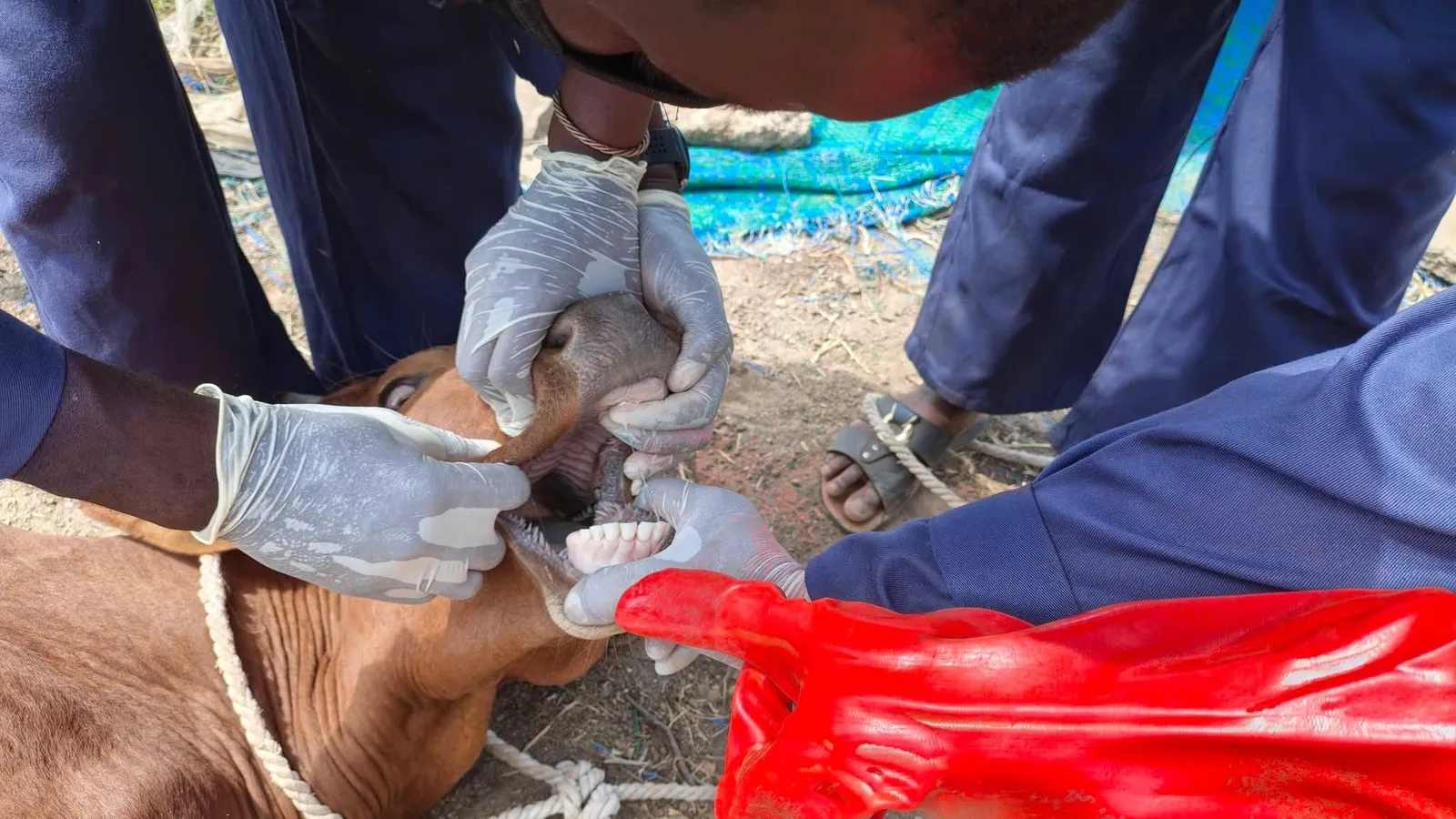
Developing animal production practices suited to local resources and realities.
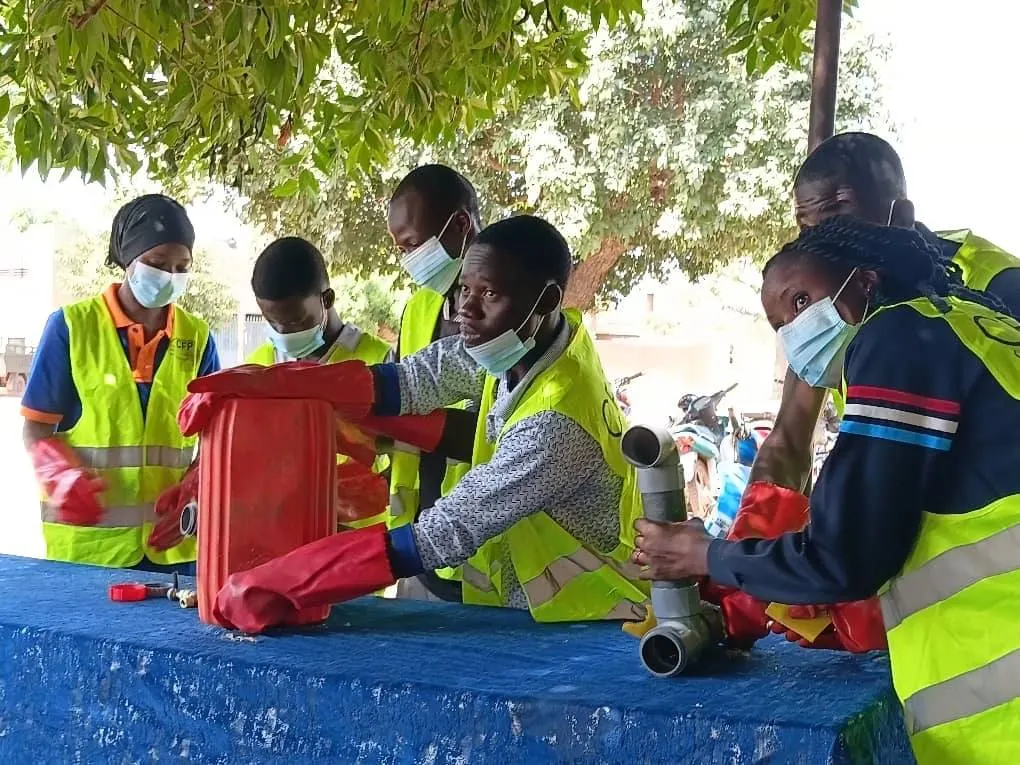
The centre tests ways of putting organic matter to use that suit producers’ needs and the realities of the Sahel.
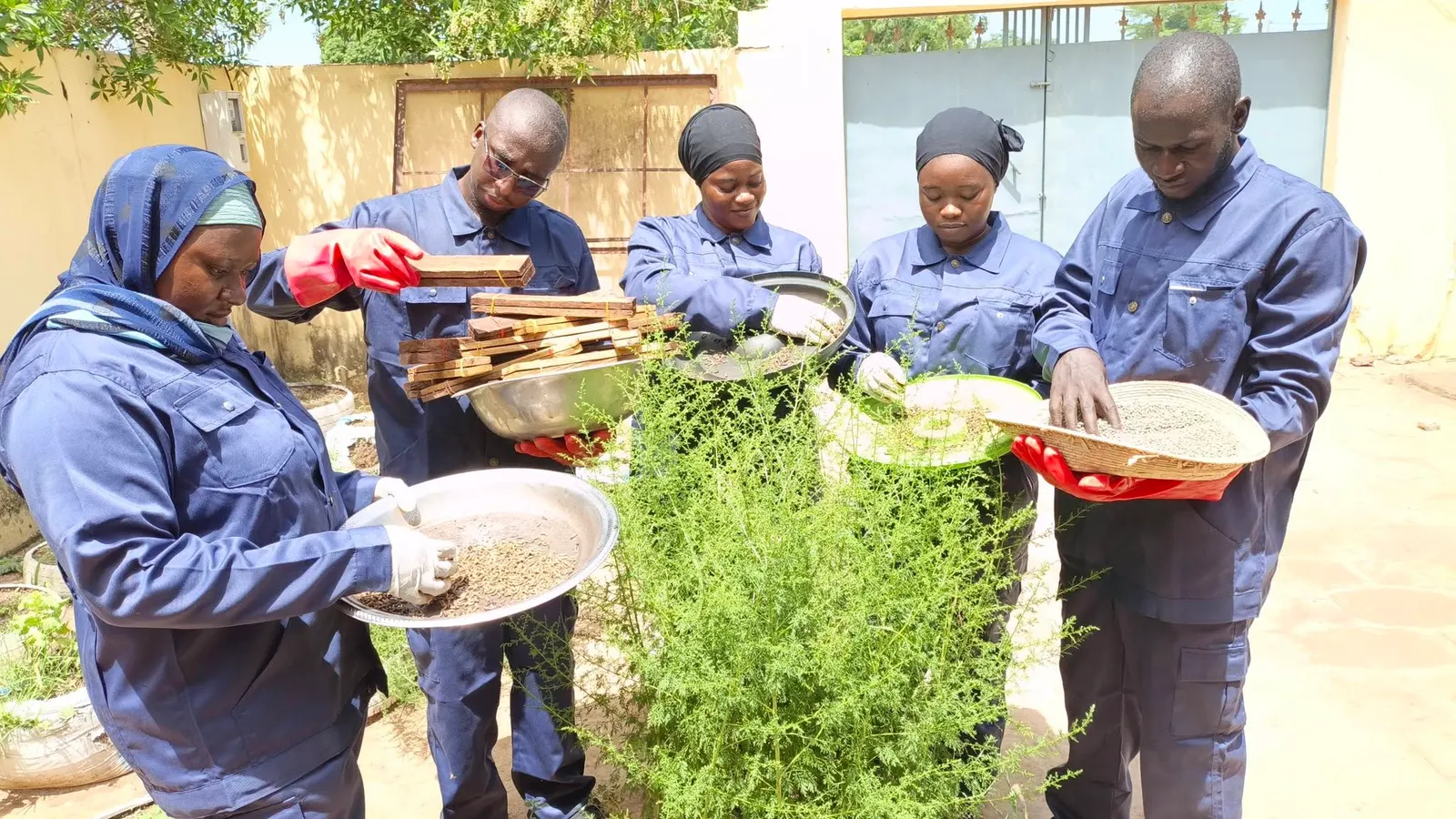
Linking technical skills to building a farming business.
Partners
The centre carries out its training, experimentation and support activities with partners committed to agricultural development and the agroecological transition.
A GIZ programme through which the centre supports young people in Ségou in renewable energy and the circular economy.
Bioenergy and biomass.
Putting organic matter to use.
Black soldier fly larvae production.
A project in which the centre works on agroecology, nutrition and gender in the Office du Niger area.
Capacity building.
Training of monitoring officers.
Support for agricultural stakeholders.
Training at the centre
Call or write to the centre: the team will tell you about upcoming sessions and how to take part.
Talk about your goals
Identify the relevant courses
Check dates and arrangements
Theory goes hand in hand with practice on the centre’s facilities, working alongside real production.
Observe the techniques
Handle tools and resources
Talk with the trainers
Apply what you have learned
Depending on the session: a certificate of attendance and starter inputs, such as larvae.
Identify the skills gained
Understand the conditions for applying them
Prepare the next steps for your activity
Discover the facilities and talk with our team about training and visit options.
Answers to the most frequent questions. For anything else, the team will reply by phone, WhatsApp or email.
