

Learning agroecology through hands-on practice
Five training programmes taught on the centre’s plots, ponds, livestock units and larvae unit, in Ségou.
You learn agroecology by working on the centre’s own facilities
The training builds on the centre’s production activities: understanding the techniques, watching the practices and applying them in the field.
It is open to young people, women, farmers, students and professionals, whether or not they have been to school. The content, place, duration and conditions of each session are confirmed by the team.
Choose a fieldWhat to expect
- Sessions on the plots, in the ponds and with the livestockYou work alongside the centre’s production.
- Sessions announced with set datesSee the announcements and the conditions for taking part.
- A certificate, depending on the sessionIssued at the end of several sessions in 2026; to be confirmed for each course.
Choose your course from five areas, from crops to livestock
Open a course to see the practices taught and the useful information before you enrol.
-
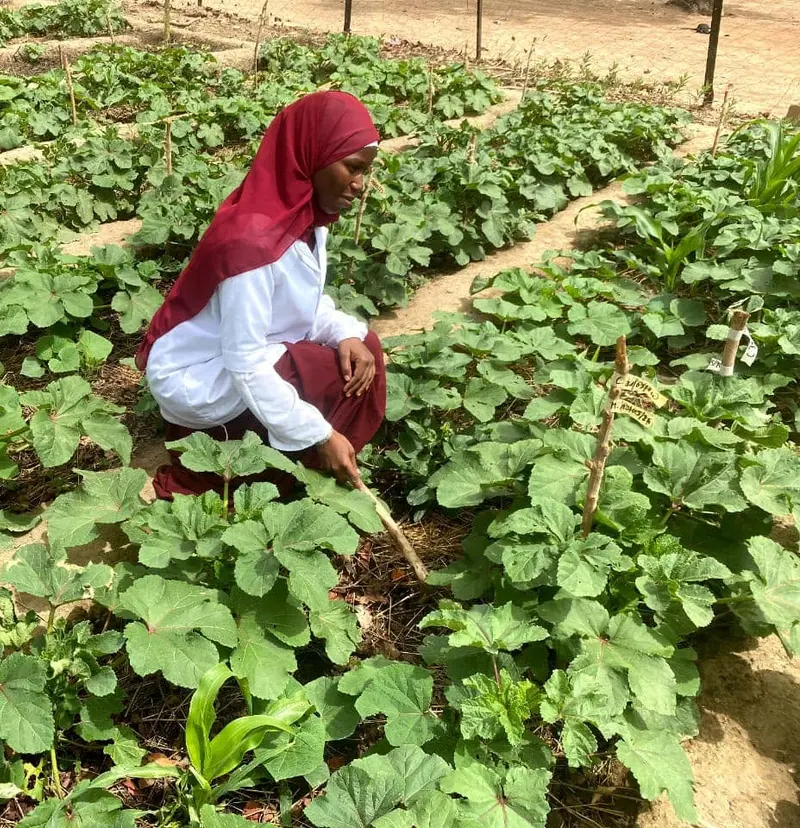 Crops
Market Gardening and Seeds
Learn about market gardening and peasant seeds, through agroecology, in the field.
- Growing agroecologically
- Preparing seeds
- Setting up a nursery
Ongoing : (session reserved for a partner group)
-
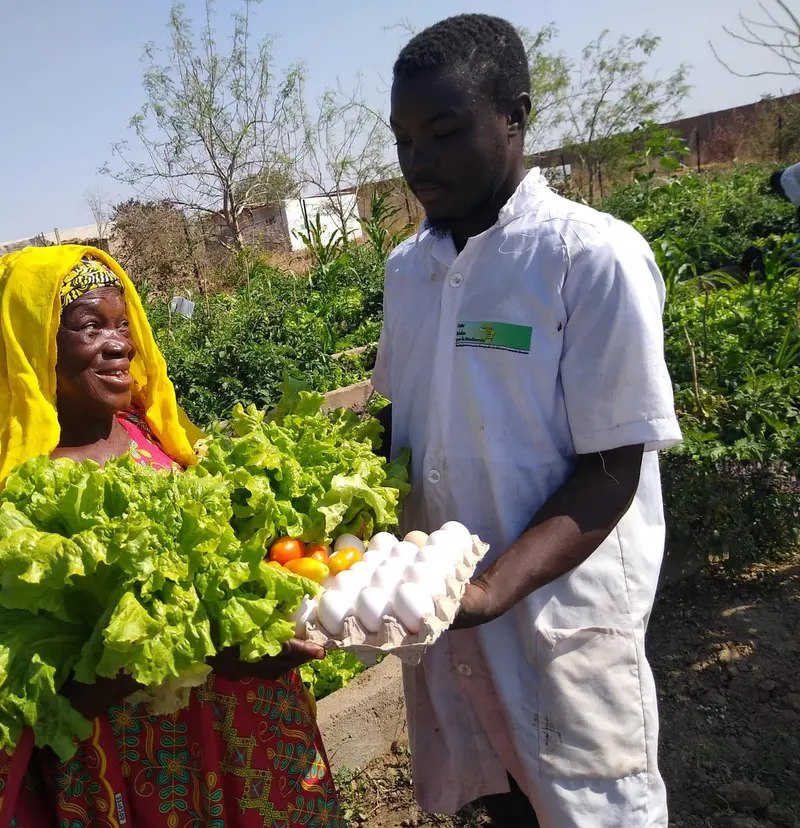 Livestock
Poultry Farming
Run an agroecological poultry unit: nutrition, health and larvae-based feed.
- Feeding your poultry
- Preventing disease
- Feeding with larvae
Upcoming : (session reserved for a partner group)
-
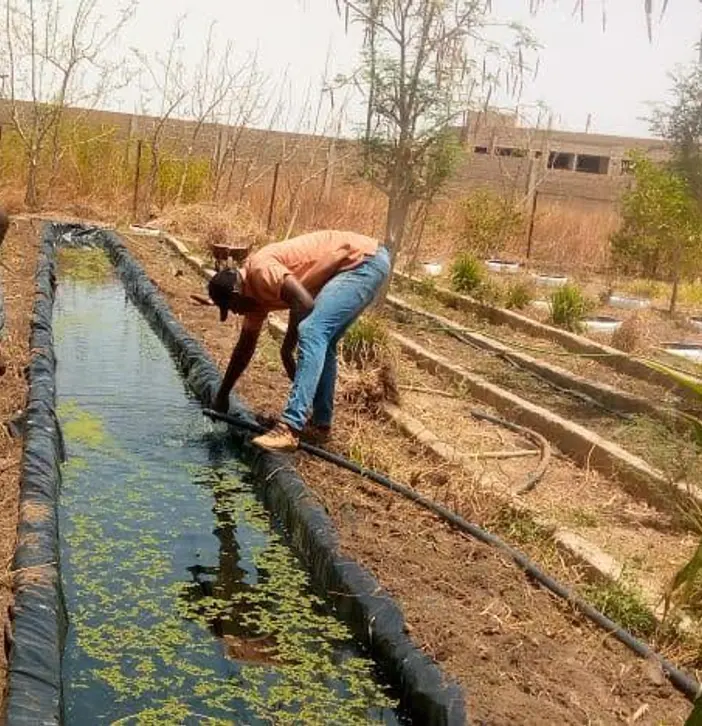 Livestock
Fish Farming
Raise fish in ponds and manage pond fertility, using agroecological methods.
- Fertilising the pond
- Feeding the fish
- Feeding with larvae
-
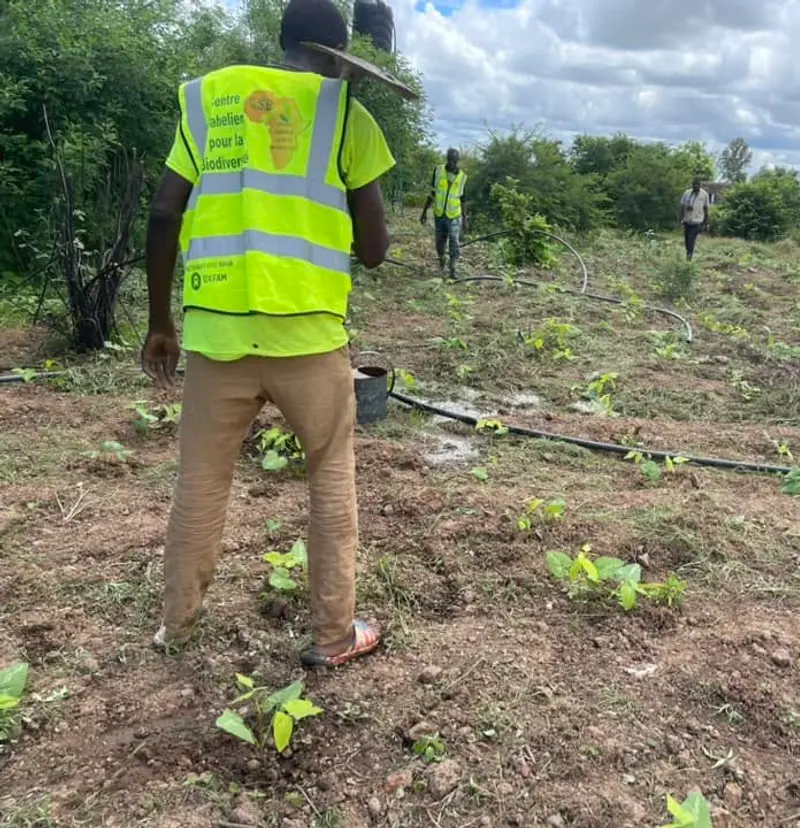 Trees
Tree Growing
Grow, plant and care for trees suited to the Sahelian climate.
- Producing seedlings
- Choosing species
- Planting
-
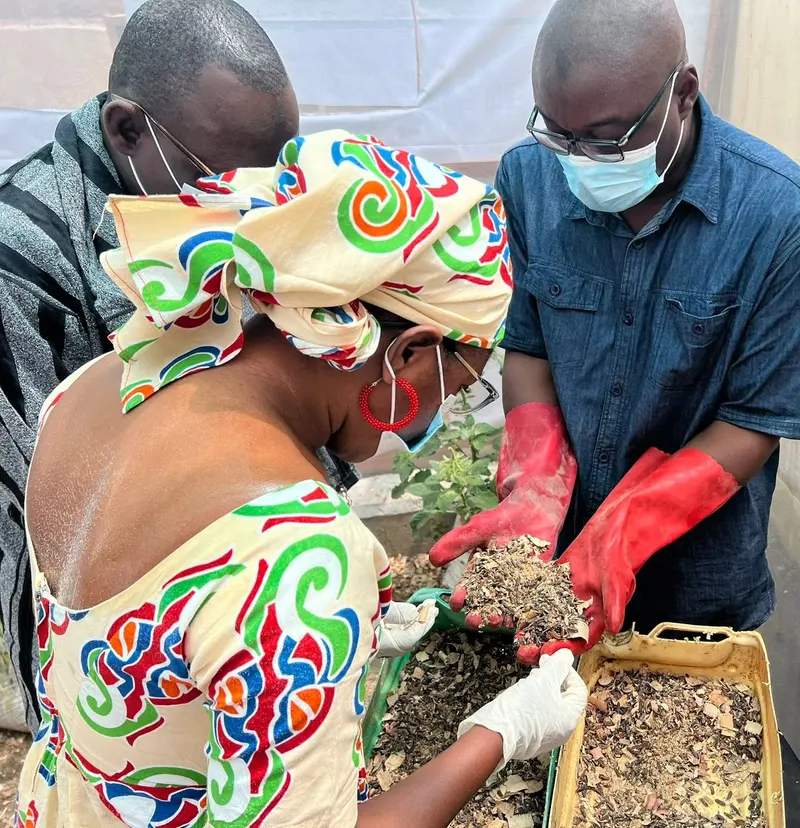 Waste recovery
Black Soldier Fly
Turn organic waste into protein-rich larvae to feed poultry and fish.
- Egg-laying structures
- Egg harvesting
- Larvae rearing
Last session : Oct. 25–30, 2026
Find the next session and the latest ones run by the centre
Sessions announced by the centre. Some are reserved for partner groups.
Full calendar-
Ongoing
Training and post-training follow-up in agroecological market gardening
Monitoring officers from the Office du Niger, NGOs partnering in the PADSAD-M programme and partner centres
Reserved for a partner group
-
Upcoming
Training for poultry farmers of the NGO ADAF Galle: poultry feed made from black soldier fly larvae
Poultry farmers of the NGO ADAF Galle
Reserved for a partner group
- Upcoming
- Completed
Six other topics the centre has already taught
Training topics covered over the years, to diversify farming activities and make use of local resources. Not all of them are the subject of a regular session.
See the events-
The centre explores the energy use of waste and biomass. These topics were the subject of training in 2025.
What was covered
- Biogas and biomass: turning waste and local resources into energy
- Ecological charcoal: briquettes made during the practical sessions
-
Rabbit farming is one of the centre’s production systems, with rabbit cages on its Zoumaira site.
What was covered
- Caged rabbit farming
- Rabbit farming and livestock fattening among the centre’s production systems
-
The centre has covered the production of liquid fertilisers, including improved biols, and then offered a one-day course on the topic in February 2026.
What was covered
- Production of improved biols
- Production of solid and liquid effective micro-organisms
-
Solar irrigation and photovoltaics are among the topics covered by the centre, according to its publications.
What was covered
- Solar irrigation
- Photovoltaics
- Agricultural entrepreneurship
-
Mushroom production is one of the training topics the centre has already covered. The detailed content of the session is not documented on this site.
-
At the centre, interns take part in designing production plans, in strategic discussions and in assessing the profitability of agroecological activities.
What was covered
- Production plans
- Strategic discussions
- Assessing the profitability of activities
The centre trains by observing, experimenting, sharing and acting
At the centre, every learner helps build the solutions, through modules that are regularly updated to stay suited to the Sahelian context.
- Observe the techniques and production situations
- Experiment on the centre’s facilities
- Share and act to strengthen community know-how
The modules support communities, particularly women and young people, towards practices that foster their autonomy as well as food and nutrition sovereignty.
Discover the centreA course runs in three steps, from your request to putting it into practice
You know what to expect before you write to us.
You send your request
Through the registration form, by phone or on WhatsApp. The team gets back to you with the dates and conditions.
- Choose a field
- Confirm the dates and conditions
- Send your request to the centre
You practise in the field
Sessions alternate between explanations and work on the centre’s facilities.
- Watch the practices
- Apply them on the plots, in the ponds and with the livestock
- Talk with the training team
You leave with a skill
Techniques to put into practice in a farming activity or a professional project.
- Depending on the session: a certificate of participation
- Depending on the session: starter inputs, such as larvae
Answers to your questions before you enrol
What to know before taking part in a training course.
Who can take a course?
Young people, women, producers, students and professionals, whether or not they have been to school. Entry conditions are given for each session.
How do I sign up?
Fill in the registration form or call the centre. The team will get back to you with the dates and conditions.
How much does a course cost?
The conditions depend on each session. Call the centre to find out.
Do participants receive a certificate?
A certificate of attendance was given at several sessions in 2026. Ask about the session you are interested in.
Can the centre train a group?
Yes. Give your organisation’s name in the form or call the centre.