
Skip to content
Centre Sahélien pour la Biodiversité

Poultry farming in agroecology

Poultry farming is one of the Centre Sahélien pour la Biodiversité’s training and production fields. The main site in Zoumaira has poultry houses. The centre’s presentation lists chickens, guinea fowl, turkeys, ducks, quails and geese among its livestock products.

The centre has run hands-on sessions on poultry nutrition and health. It also links poultry farming to black soldier fly larvae production, used to reduce the cost of feeding poultry. To find out the content and dates of the next session, contact the team.

Course objectives

Objectives based on the indicative programme, to be confirmed with the centre for each session.

  • Planning your poultry unit

    Identify the choices relating to the birds, the poultry house and the production calendar.

  • Thinking through feeding

    Examine the birds’ needs, local resources and the place of larvae in the ration.

  • Observing and preventing

    Identify questions of hygiene, prevention and when to seek veterinary advice.

  • Preparing to monitor

    Link observation of growth and laying to monitoring and selling the produce.

Poultry Farming

Topics covered

Indicative content: the topics for each session are specified by the centre.

Indicative programme

A typical programme given for guidance only. The exact content, order and length of the modules are confirmed by the centre for each session.

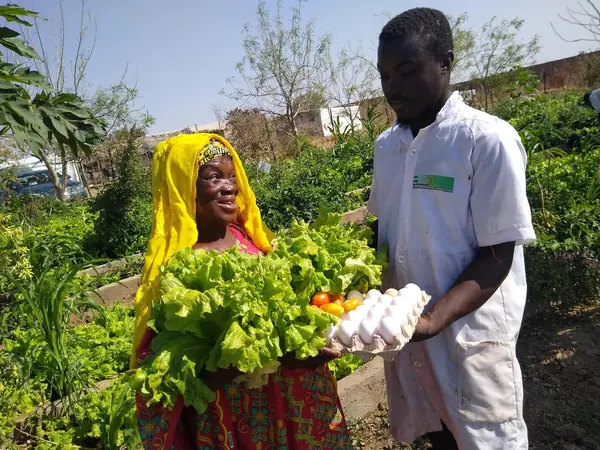
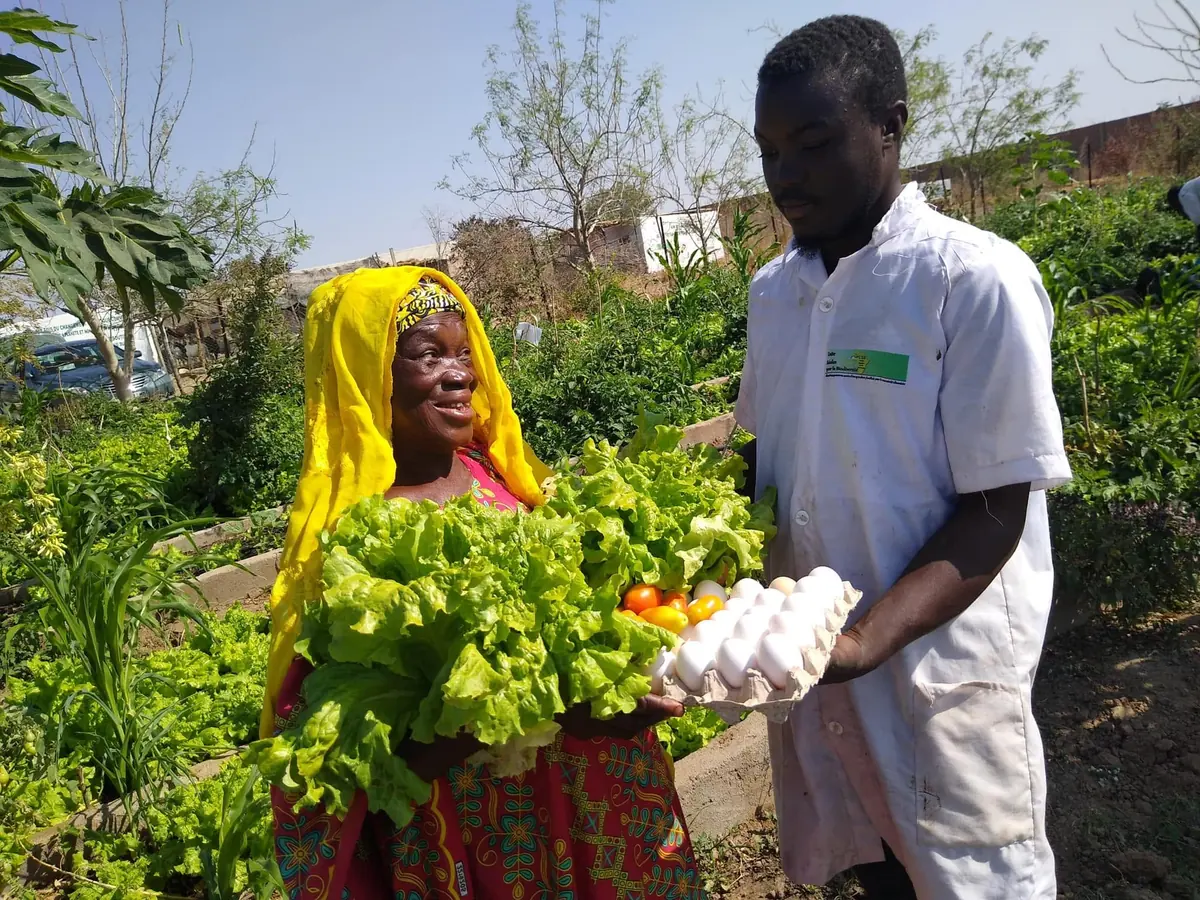
A woman holds up lettuces next to a man carrying a tray of eggs
Eggs and vegetables produced at the centre
Module 1 / 54 topics covered

Poultry farming basics

Place a poultry unit within an agroecological approach.

Show details

Content covered

  • Choosing birds and local breeds
  • Organising the poultry house
  • Watering and litter
  • Production calendar

Question to explore

Which choices about the birds, the poultry house and the calendar need to be clarified before starting your unit?

Suggested learning activity, to be confirmed for the session.Request information
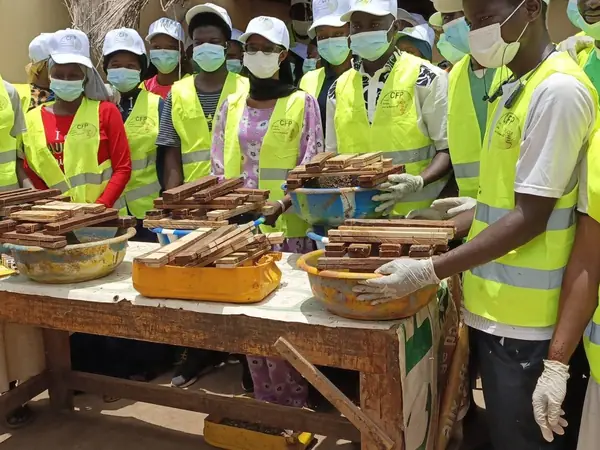
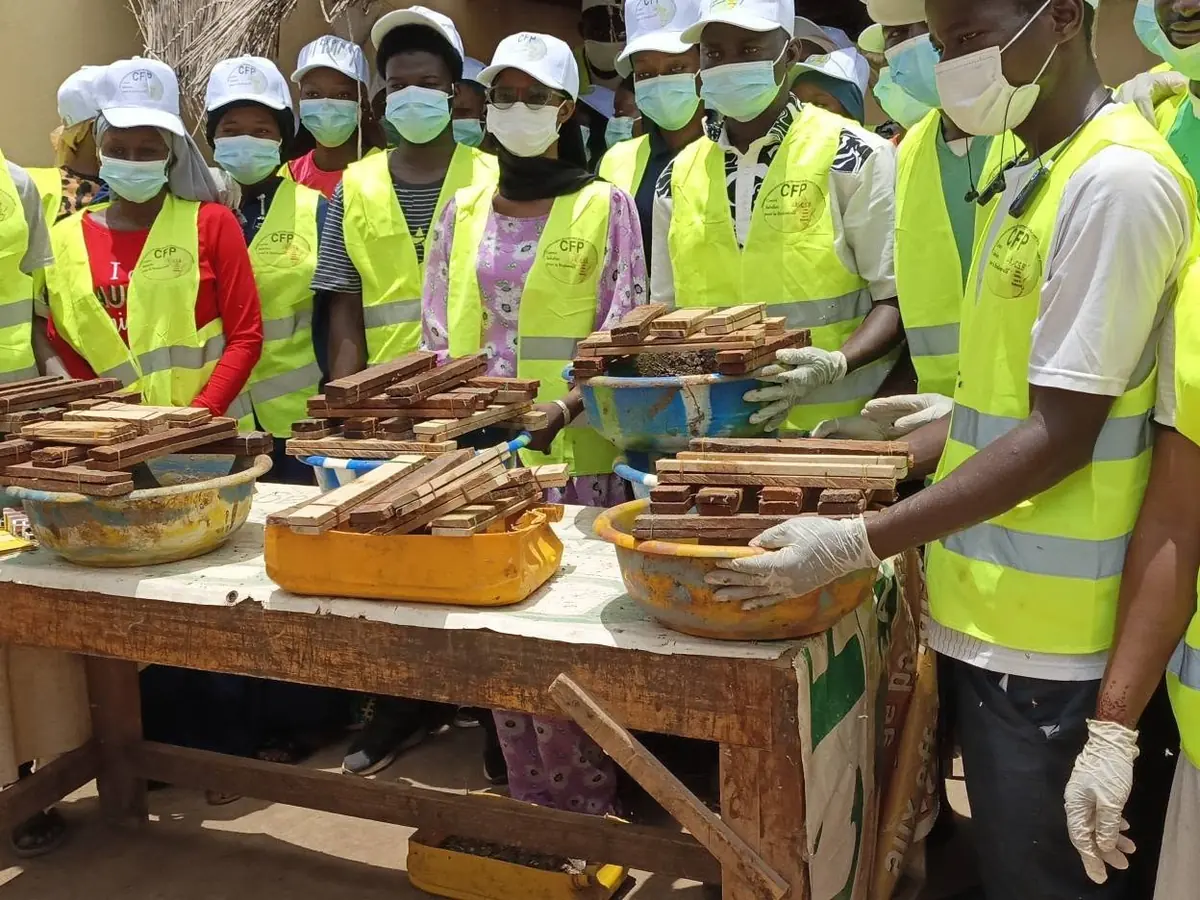
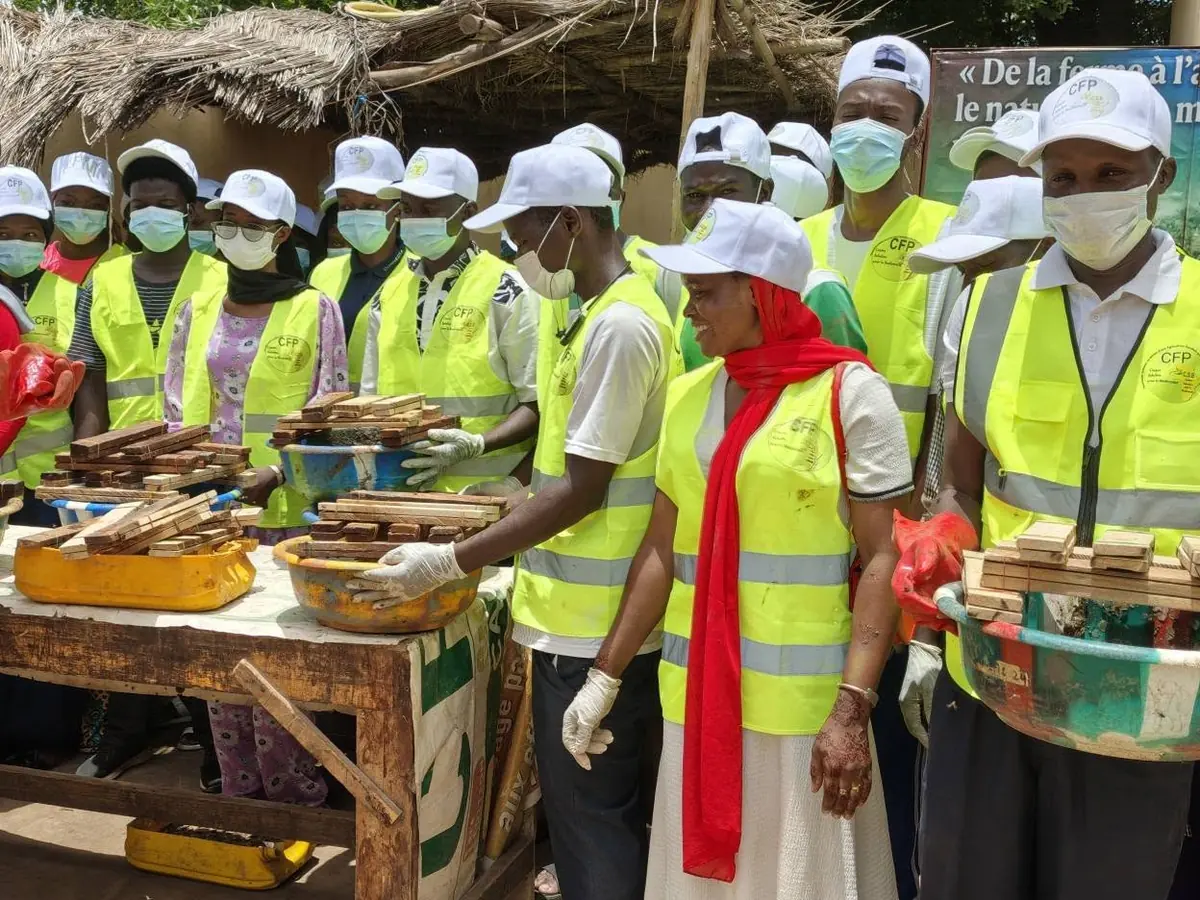
Participants in vests around tables covered with rearing trays
Larvae production unit
Module 2 / 54 topics covered

Poultry nutrition

Understand nutritional needs and put together a ration.

Show details

Content covered

  • Needs by age
  • Local feed resources
  • Preparing a ration
  • Observing the birds

Question to explore

How can you weigh the birds’ age against local feed resources and the preparation of their ration?

Suggested learning activity, to be confirmed for the session.Request information
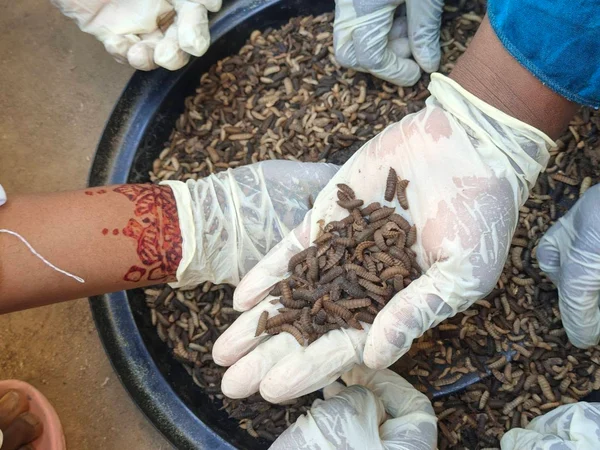
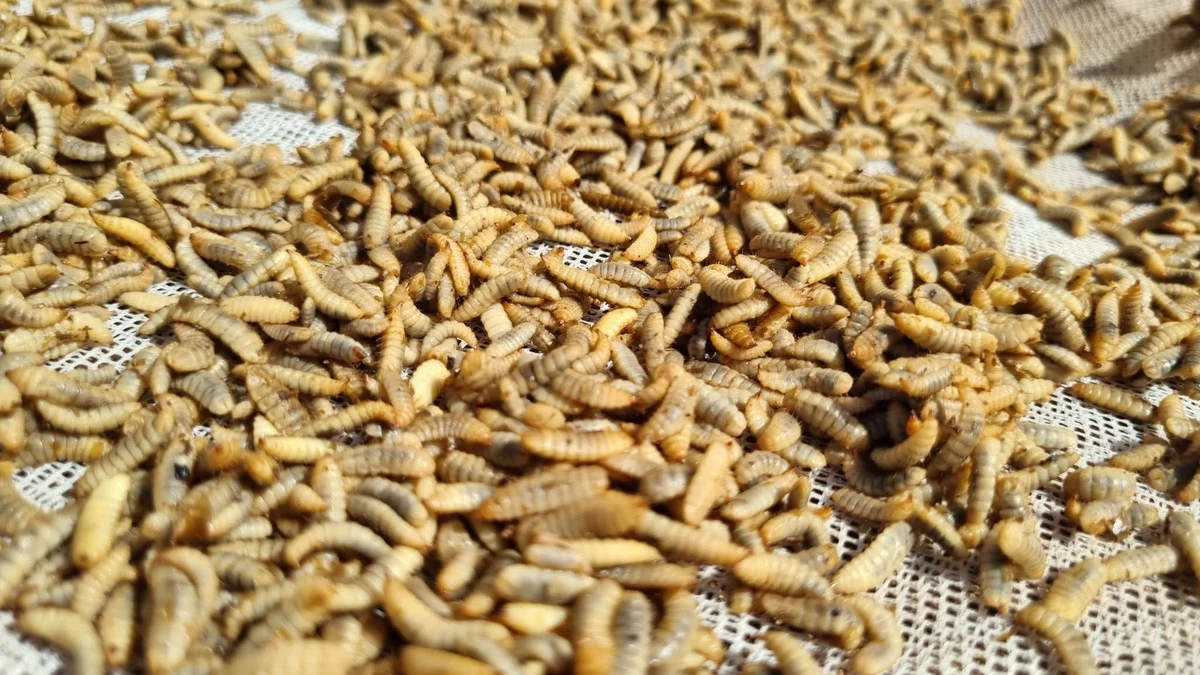
Gloved hands holding black soldier fly larvae
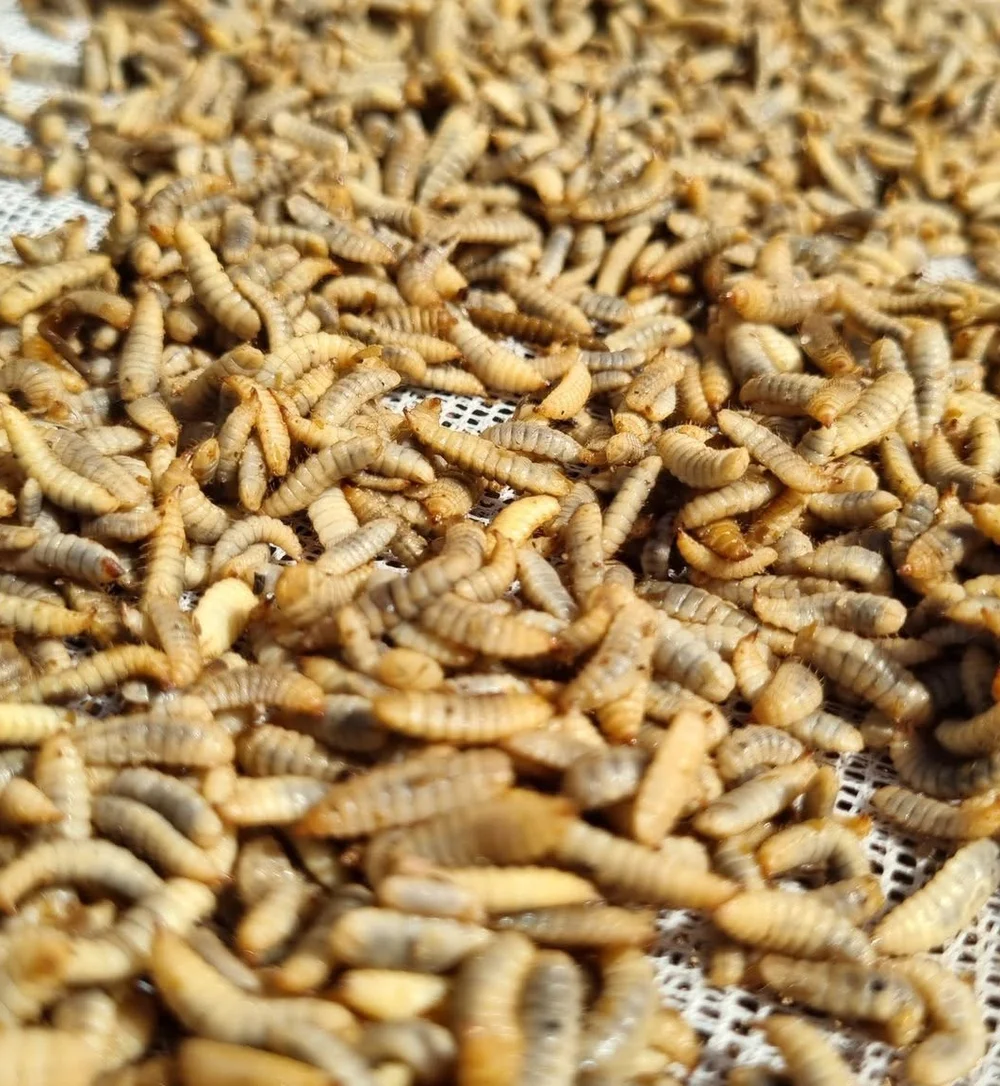
Black soldier fly larvae, a resource for animal feed.
Module 3 / 53 topics covered

Larvae in the ration

Include black soldier fly larvae in poultry feed.

Show details

Content covered

  • The role of larvae as a source of protein
  • Feeding larvae to poultry
  • Link with the centre’s larvae production unit

Question to explore

What place should larvae have in the ration, and which feeding methods should you confirm with the trainer?

Suggested learning activity, to be confirmed for the session.Request information
A woman holds up lettuces next to a man carrying a tray of eggs
Eggs and vegetables produced at the centre
Module 4 / 54 topics covered

Health and prevention

Prevent disease and respond to the first signs.

Show details

Content covered

  • Hygiene rules
  • Observing the birds’ condition
  • Preventive measures
  • When to seek veterinary advice

Question to explore

Which observations and hygiene rules should you discuss with the trainer, and when should you seek veterinary advice?

Suggested learning activity, to be confirmed for the session.Request information
A woman holds up lettuces next to a man carrying a tray of eggs
Eggs and vegetables produced at the centre
Module 5 / 53 topics covered

Monitoring and selling

Track the unit’s results and make the most of its production.

Show details

Content covered

  • Monitoring growth and laying
  • Keeping a production record book
  • Outlets for eggs and poultry

Question to explore

What information should you record about growth and laying to monitor your unit and think about outlets?

Suggested learning activity, to be confirmed for the session.Request information
The course in pictures

Livestock, larvae production and techniques practised at the centre.

A woman holds up lettuces next to a man carrying a tray of eggs
Eggs and vegetables produced at the centre
Close-up of black soldier fly larvae on a sieve
Black soldier fly larvae: the link with animal feed
Participants in vests around tables covered with rearing trays
Larvae production unit

Who this course is for

Target audience

  • Poultry farmers who want to reduce feed costs
  • Young people and women interested in livestock
  • Farmers who want to diversify their activities

Entry requirements

  • No published prerequisites
  • Entry requirements: contact us

Good to know

  • Duration, cost and any certificate: specified when you sign up
  • The black soldier fly course complements this field

A suggested way to get in touch

These steps are a guide for talking to the centre, not an official procedure.

Request information
  1. Step 1: Describe your project

    Tell us about your activity, your experience and what you want to learn. This will help the team understand your request.

    Describe my project (information request form)
  2. Step 2: Check the arrangements with the centre

    Ask about the dates, location, duration, cost and entry requirements for the session you are interested in.

    Ask my questions (information request form)
  3. Step 3: Confirm your participation

    After talking to the team, check availability and the next steps. The contact form does not count as registration.

    Contact the team (information request form)
Close-up of black soldier fly larvae on a sieve

From larvae to poultry feed

The centre produces black soldier fly larvae from organic waste to feed poultry and fish. It has also announced larvae-meal feed for local poultry chicks.

  1. Organic waste Substrate for rearing the larvae
  2. Black soldier fly larvae Produced at the centre
  3. Poultry and fish The larvae are part of their feed

Related products

  • Black soldier fly larvae
  • Chick feed (announced)

To find out which products are available, their packaging and collection terms, contact the centre directly.

Discover the products

Request information

Next session: To be announced

To find out the dates and arrangements for the next session, leave us your details or call the centre.

The form already states which course you are asking about. Describe your project or questions: the centre’s team will reply by phone or email.

Fields marked * are required.

The centre’s other training programs

All Training Programs
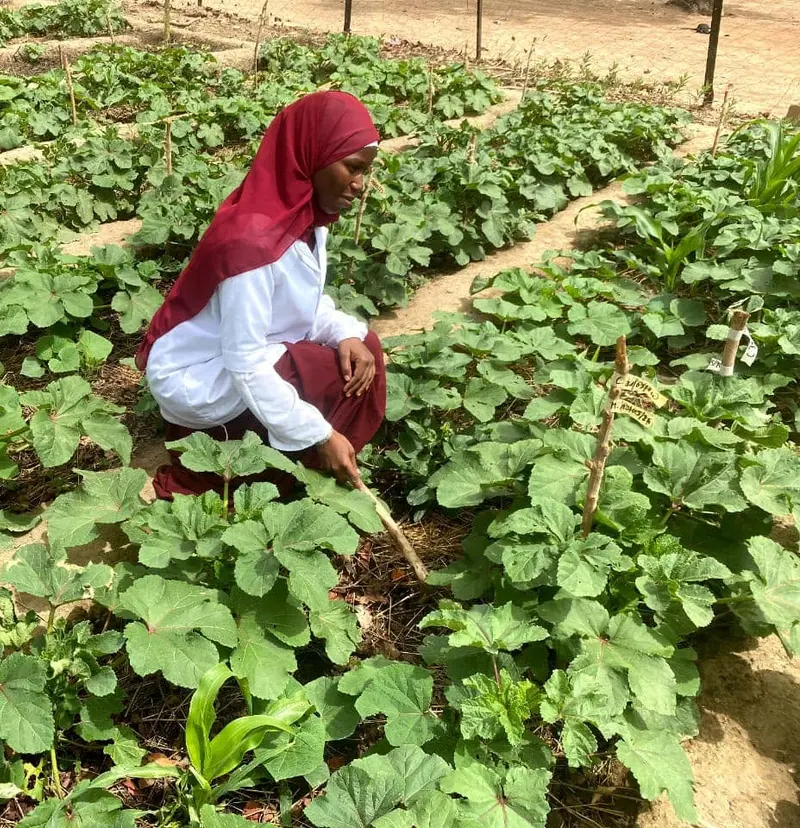
  • A woman tends vegetable seedlings on a plot

    Market Gardening and Seeds

    Learn about market gardening and peasant seeds, through agroecology, in the field.

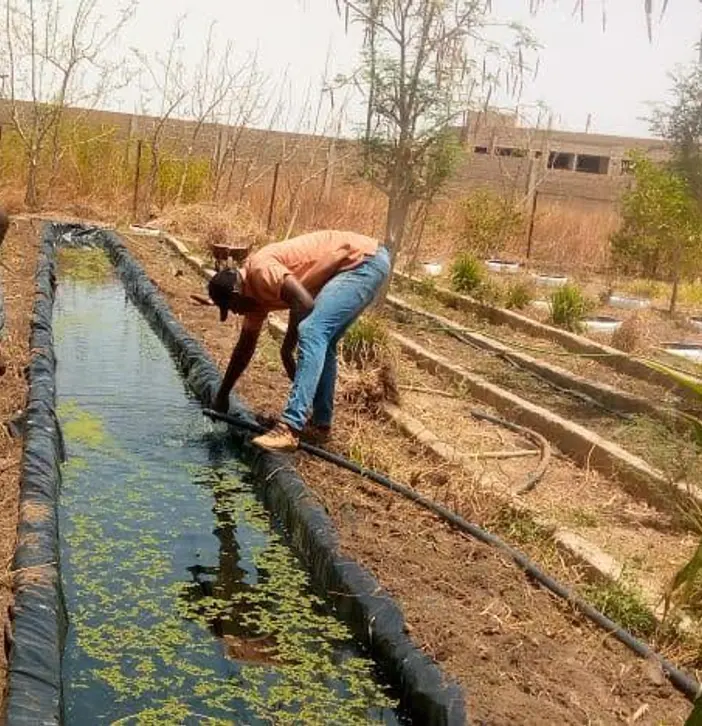
  • A lined pond with a man leaning over the edge

    Fish Farming

    Raise fish in ponds and manage pond fertility, using agroecological methods.

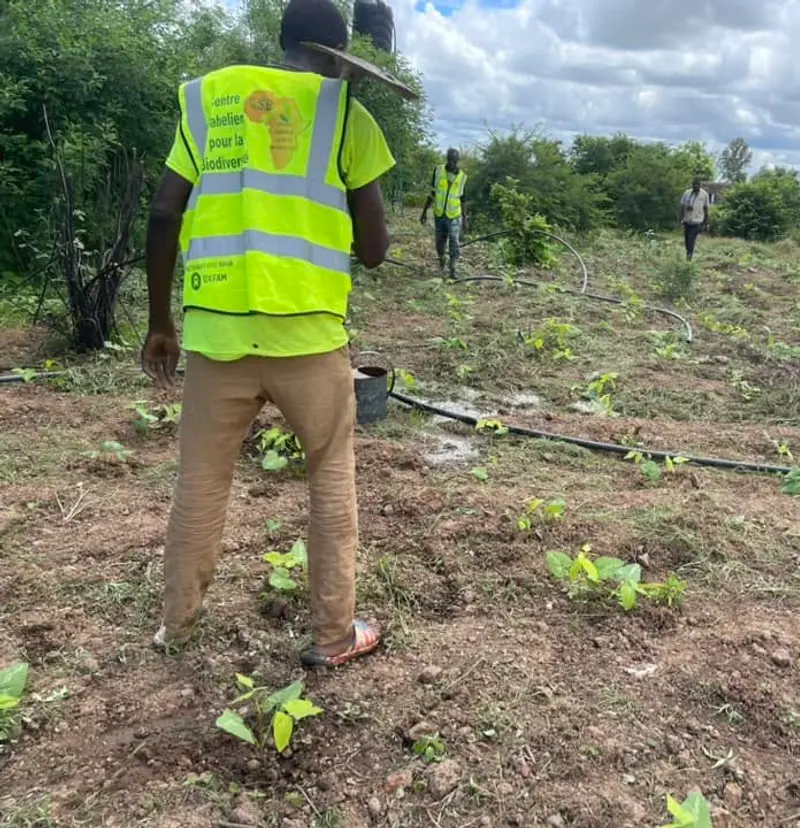
  • Young seedlings in rows on a drip-irrigated plot

    Tree Growing

    Grow, plant and care for trees suited to the Sahelian climate.

  • Two people in gloves examine the substrate in a larvae tray

    Black Soldier Fly

    Turn organic waste into protein-rich larvae to feed poultry and fish.

Your questions about this course

Another question? The team will reply by phone, WhatsApp or through the form.

Ask a question

Running an agroecological poultry unit: nutrition, health and prevention, and the use of black soldier fly larvae in feed. The details of the modules are specified by the centre for each session.

No prerequisites are published. Contact the centre to find out the entry requirements and check that the next session suits your project.

The duration has not been published yet. The centre will give you the dates, times and duration when the next session is organised.

The cost of this course is not published. Special terms have been announced for other courses; they do not necessarily apply to this one. Ask the centre.

This has not been published yet for this course. The centre can tell you which documents are issued and the conditions for taking part in the session you are interested in.

The larvae produced at the centre are used to feed poultry. The black soldier fly course, presented on its own page, teaches how to produce them.

The centre produces larvae and has announced larvae-meal chick feed. Ask about availability, packaging and collection terms.